Tag: User experience

  • E-commerce Platform Selection: A Comprehensive Guide to Making the Right Choice for Your Business

    This article has been contributed by Sanjeev Ingti, Director & Co-founder, Eliea Wellness.

    In the ever-evolving landscape of online commerce, selecting the right e-commerce platform is paramount for businesses seeking to establish a robust digital presence. This E-commerce Platform Selection Guide aims to provide comprehensive insights into the pivotal factors involved in making an informed decision.

    Evaluating platforms entails a thorough assessment of features, functionality, and user-friendliness. Each platform offers distinct advantages, from the simplicity of Shopify to the versatility of Magento and the robustness of WooCommerce.

    Customization and scalability are crucial considerations, as businesses require flexibility to tailor their online storefronts to unique branding and operational requirements. Scalability ensures that the chosen platform can accommodate growth without compromising performance or user experience. Whether it’s seamless integration with existing systems or support for multiple currencies and languages, customization options must align with business objectives.

    Choosing the right platform demands a holistic approach, considering factors such as budget constraints, technical expertise, and long-term growth strategies. By prioritizing flexibility, scalability, and alignment with business goals, organizations can navigate the complexities of e-commerce platform selection with confidence and clarity.

    Importance of E-commerce Platform Selection for Businesses
    Key Factors in Evaluating E-commerce Platforms
    Tips for Assessing and Choosing E-commerce Platforms

    Importance of E-commerce Platform Selection for Businesses

    Selecting the right e-commerce platform can have a significant impact on a business in several ways:

    1. User Experience (UX): A good e-commerce platform provides an intuitive and seamless user experience for customers. If the platform is easy to navigate and offers smooth checkout processes, it can lead to higher conversion rates and customer satisfaction. Conversely, a poor UX can drive customers away and harm the business.
    2. Scalability: As a business grows, it needs an e-commerce platform that can scale accordingly. Choosing a platform that can handle increased traffic, transactions, and product listings without compromising performance is crucial for long-term success.
    3. Customization and Flexibility: Different businesses have unique requirements and branding needs. The ability to customize the e-commerce platform to match these needs is essential. Flexible platforms allow businesses to add new features, integrate with third-party services, and adapt to changing market trends more easily.
    4. SEO and Marketing: An e-commerce platform that is optimized for search engines (SEO) and supports various marketing tools can help drive traffic and increase visibility. Features like customizable URLs, meta tags, and integration with marketing platforms enable businesses to enhance their online presence and attract more customers.
    5. Mobile Responsiveness: With the increasing use of mobile devices for online shopping, it’s essential for an e-commerce platform to be mobile-responsive. A mobile-friendly platform ensures that customers can easily browse and make purchases from their smartphones and tablets, leading to higher conversion rates and improved customer satisfaction.
    6. Security: Security is paramount in e-commerce, as customers need to trust that their personal and financial information is safe. Choosing a platform with robust security features, such as SSL encryption, PCI compliance, and regular security updates, helps protect both the business and its customers from data breaches and fraud.
    7. Integration and Support: An e-commerce platform should seamlessly integrate with other business tools and systems, such as inventory management, accounting software, and customer relationship management (CRM) systems. Additionally, reliable customer support is crucial for resolving issues quickly and ensuring the smooth operation of the platform.
    8. Cost: The cost of the e-commerce platform, including setup fees, transaction fees, and ongoing maintenance costs, should align with the budget and revenue expectations of the business. It’s essential to consider both the upfront investment and long-term expenses associated with the platform.

    Best 6 eCommerce Platforms In India (Choose Your Best Suited eCommerce For Your Business)
    An eCommerce platform is an application that offers online business to manage your website and many more. Read this article to know more about eCommerce platforms in India.


    Key Factors in Evaluating E-commerce Platforms

    Choosing the right platform for your e-commerce business is crucial for its success. There are several factors to consider when evaluating e-commerce platforms:

    1. Business Needs: Understand your business requirements and objectives. Consider factors such as the size of your inventory, the type of products you sell (physical goods, digital products, services), your target market, and your scalability needs.
    2. Budget: Determine your budget for the platform, including setup costs, monthly fees, transaction fees, and any additional expenses such as customization or third-party integrations.
    3. Ease of Use: Look for a platform with an intuitive interface that is easy to use for both administrators and customers. Consider factors such as setup process, product management, order processing, and customization options.
    4. Customization: Evaluate the level of customization offered by the platform. Can you easily customize the design and layout of your storefront? Are there options for adding custom features or integrating third-party apps and services?
    5. Scalability: Choose a platform that can grow with your business. Consider factors such as the ability to handle increased traffic and sales volume, as well as options for upgrading to higher-tier plans or migrating to a different platform if needed.
    6. Payment Options: Make sure the platform supports the payment methods preferred by your customers. Look for support for major credit cards, digital wallets, and alternative payment methods such as PayPal or Apple Pay.
    7. Security: Security is critical for e-commerce platforms to protect sensitive customer information and prevent fraud. Look for platforms that comply with industry standards such as PCI DSS and offer features such as SSL encryption and fraud detection.
    8. SEO Features: Consider the platform’s built-in SEO features to help improve your website’s visibility in search engine results. Look for features such as customizable URLs, meta tags, sitemaps, and integration with Google Analytics.
    9. Mobile Responsiveness: With the increasing use of mobile devices for online shopping, it’s essential to choose a platform that offers a mobile-responsive design. Ensure that your website looks and functions well on smartphones and tablets.
    10. Customer Support: Evaluate the level of customer support provided by the platform, including available support channels (phone, email, live chat), response times, and support resources such as documentation, tutorials, and community forums.

    Tips for Assessing and Choosing E-commerce Platforms

    To evaluate e-commerce platforms based on these criteria, you can:

    • Research and compare different platforms based on their features, pricing, and customer reviews.
    • Take advantage of free trials or demos offered by e-commerce platforms to test their functionality and see if they meet your requirements.
    • Reach out to platform providers directly with any specific questions or concerns you may have.
    • Seek advice from other e-commerce merchants or industry experts who have experience with different platforms.

    How to Use Google Analytics 4?
    Google Analytics 4 (GA4) is a free service and is intended to give organizations more precise and useful insights into the traffic to their websites and apps, user activity, and conversion statistics.


  • How to Improve Google Ranking Without Getting Penalized?

    Whenever we search for a keyword in Google’s search results, it is always the first three results that we click to get the information. In this digital era, having your page appear at the top is paramount for any online business.

    One of the most important facts about having your webpage rank at the top of the search results is that it receives the most visibility and exposure to users searching for relevant keywords. Most people tend to click on the top search results, and being in that prime position increases your chances of attracting organic traffic to your website. It also goes without saying, achieving a top position on Google’s search results page gives you a competitive advantage over other websites in your industry. It allows you to stand out from the competition, attract more attention, and capture a larger share of the search traffic.

    But here comes the question, how do you improve your Google ranking without getting penalized? To clear this doubt, this article summarises the key points to enhance your Google ranking.

    Understanding the Importance of Google Ranking
    Stay Up-To-Date on Google Algorithm

    Conduct Keyword Research and Optimization
    Create High-Quality and Relevant Content
    On-Page Optimization
    Create or Earn High-Quality Links
    Have a Solid Social Media Presence
    Strengthen User Experience and Site Usability

    Understanding the Importance of Google Ranking

    Google’s algorithms consider numerous factors when ranking web pages, if you do not follow these factors, there is a chance for you to get penalized. Therefore, it’s essential to focus on providing valuable, user-friendly content to improve your chances of ranking at the top.

    Ranking at the top of the search results typically leads to higher click-through rates. Users often perceive the top results as more credible and trustworthy, making them more likely to click on those links. A higher CTR means more visitors to your website, potentially leading to increased conversions, sales, or engagement.

    Take a look at the following measures to improve your webpage ranking on Google:

    Stay Up-To-Date on Google Algorithm

    According to Moz, Google updates its algorithm 500 to 600 times a year. To make sure you are on track, always check out for updates on Google algorithm. You can use the following methods to stay informed about algorithm changes:

    Official Google Announcements

    Google occasionally announces major algorithm updates through its official channels, such as the Google Webmaster Central Blog. Tracking these announcements might provide you with information on important updates and adjustments.

    Google Search Console

    You can regularly keep an eye on your website’s performance and search statistics on Google Search Console. It can offer details about Google’s probable difficulties, indexation status, and search visibility. Algorithmic changes can be detected by changes in the functionality or visibility of your website.

    Google Search Central Blog

    Search engine optimization, algorithm improvements, and best practices are covered in depth in the Google Search Central Blog. For the most recent information and analysis from Google, you can follow this blog.

    SEO News Websites and Forums

    Engaging in reputable SEO forums like WebmasterWorld and Search Engine Journal can help you stay informed about algorithm changes through discussions and shared experiences.

    5 Quick Ways to Improve Your SEO Rankings

    Conduct Keyword Research and Optimization

    The next step is to have keyword research. Keyword research can help you find the right words and phrases users are typing into search engines to find your goods or services. If you use these keywords wisely in your titles, headers, meta descriptions, and body text to optimize your content, there is a higher probability that your webpage won’t be penalized. However, be careful of keyword stuffing or using too many keywords because that might result in penalties.


    10 Best Keyword Rank Tracking Tools For SEO – Free and Paid
    Keyword rank tracking is an essential part of SEO. Here are top 10 keyword rank checker tools that will help you track your website’s performance.


    Create High-Quality and Relevant Content

    “Content is King”, may sound old, but, it is still relevant even today. Concentrate on creating insightful, unique, and interesting material that speaks to your target market. Additionally, make sure your web content is useful, impactful, well-structured, and answers all of the consumers’ questions.

    On-Page Optimization

    Without on-page optimization, your webpage can never get its credibility. On-page optimization plays a crucial role in improving your website’s visibility and Google ranking. It involves optimizing various elements on your web pages to make them more search engine-friendly and attracts potential customers. By optimizing elements such as meta tags, headings, URL structure, and keyword usage, you can increase the chances of search engines ranking your pages higher in relevant search results.

    You can also organize your content with proper headings (H1, H2, etc.) and subheadings, using bullet points or numbered lists, and incorporating relevant images or multimedia elements. This structured approach makes your content easier to read and digest for users and search engines.


    On-Page SEO Techniques To Rank On The First Page Of Search Engines
    Do you want to rank your article higher on the search engines? Here we’ve shared some tips and techniques for On-Page SEO to get your website ranked.


    The next step is to get links from trustworthy and pertinent websites to develop a solid backlink profile. You need to focus on acquiring natural and organic links through techniques like guest blogging, influencer outreach, and creating shareable content. Additionally, you may employ links like editorial links, internal links, or scale link building. But stay away from link schemes and link purchases since they might get you in trouble or penalized.

    Have a Solid Social Media Presence

    That’s right, you need to maintain a strong presence on most social media platforms. You might ask what it has to do with Google page ranking. By 2027, it is anticipated that there will be approximately six billion social media users worldwide. This is why, you need to be active when it comes to social media. Through the help of social media platforms, you can amplify your content, engage with your audience, and build brand visibility. However, social media marketing doesn’t have a direct impact on ranking, it can indirectly influence your search visibility through increased traffic and brand mentions. For instance, creating a Google Business profile can increase web traffic and give you the desired results. Of course, there are other social media platforms you can use like Facebook, Instagram, and Twitter, which are highly widespread and used by billions.

    Strengthen User Experience and Site Usability

    By user experience, we mean to say that users should have a positive experience when they visit your website. How is that possible? By making sure, the website is easy to navigate and contains an appealing design. No user will like a website if it is slow and takes a longer time to load. Therefore, prioritize the speed and load time of your website, as it can trigger frustration among users. Maintaining good speed and performance can impact your website’s bounce rate, which is necessary for Google ranking. Besides this, optimize your site for various devices and screen sizes for mobile-friendliness.

    Conclusion

    By implementing the above-mentioned factors, it is possible for your website to not get penalized. But it is also critical to remember, that improving your ranking is a long-term process that requires consistent effort, quality content, and adherence to ethical SEO practices. So, take time to fully understand what exactly your business and target audiences’ needs and research accordingly without having to burn your pockets for penalties.

    FAQs

    What are the methods to stay informed about Google algorithm changes?

    Following are the methods to stay informed about algorithm changes:

    • Official Google Announcements
    • Google Search Console
    • Google Search Central Blog
    • SEO news websites and forums

    How does keyword research help in improving Google ranking?

    Keyword research can help you find the right words and phrases users are typing into search engines to find your goods or services.

    Natural and organic links can be acquired through techniques like guest blogging, influencer outreach, and creating shareable content.

  • Top AR Startups in India | 2022 Exhaustive List

    Augmented Reality has emerged to become pivotal in the ways in which humans are reimagining their lifestyles. It has enhanced user experience and business efficiency in a tremendous manner. Irrespective of the nature of businesses, companies have been leveraging the capabilities of Augmented Reality so much so that the industry is expected to deliver a global revenue of $340 billion by the end of 2028.

    Studies also reveal that by the end of 2024, there will be over 1.3 billion augmented reality users. This emerging technology has the power to bring better efficiency into the organization.

    AR in India has got a large market to tap into which makes it all the more path-breaking and revolutionary. The Indian Augmented Reality market is expected to grow at a rate of 38.29% by 2027.

    The digital transformation of the country along with the availability of various AR devices aided by high investments has boosted the penetration of AR in the Indian market. This article will look at some of the leading AR companies in India.

    India is still developing in AR compared to the work of Microsoft and its hologram-themed augmented reality glass or Google’s Tango projects. Many of the AR startups in India are trying to set a benchmark in the world of AR Startups. There are a total of 104 AR startups in India.

    Future of AR

    Top AR Companies in India

    1.Imaginate
    2.Parallax Labs
    3.Tata ELXSI
    4.PlayShifu
    5.Gophygital
    6.InfiVR
    7.Quy Technologies
    8.Trezi
    9.SmartVizX
    10.Simulanis
    11.Kalpnik
    12.Jadooz
    13.GreyKernel
    14.PerspectAI

    Imaginate

    Founded in 2016, Imaginate is an Augmented Reality, Virtual Reality and Mixed Reality enterprise that provides custom-made 3D content to enable immersive training and support for various equipment and processes. It was found by Hemanth Satyanarayana.

    Imaginate- Top AR Startup in India
    Imaginate- 3D Content Developer

    They have been rated as top agencies by Gartner, Forester and IDC. They have extended their support through AR services to various industries including Automotive, Aviation, Construction, FMCG, Healthcare, Banking and Manufacturing.

    Startup Name Imaginate
    Headquarter Hyderabad
    Founder Hemanth Satyanarayana
    Founded 2016
    Funding $500k
    Products Austom-made 3D content

    Parallax Labs

    This Mumbai-based startup is the first of its kind that uses AR, VR and MR for the defense and enterprise sector. They aim to become the best AR company in India by providing end-to-end customer solutions. They have played a significant role in improving practices at the Hindustan Uniliver plant as well.

    Parallax- Virtual Solution Provider

    Startup Name Parallax Labs
    Headquarter Mumbai
    Founder Vivek Surve, Krupalu Mehta
    Founded 2018
    Funding $500k
    Products VR, AR & MR Content Development Startup Studio

    Tata ELXSI

    Recognizing the rise of the world to embark on a new immersive experience, TATA ELXSI attempts to become the key player in the field through innovation. They assist customers in their quest to find creative solutions to their problems and bring meaningful connections and experiences.

    TATA ELXSI- Top AR Startup in India
    TATA ELXSI- Virtual World

    By providing end-to-end immersive experience solutions, the firm prepares the workforces of various industries to improve productivity, reduce cost and enhance customer experience.

    Startup Name TATA ELXSI
    Headquarter Bangalore
    Founder TATA Group
    Founded 1989
    Funding Self Funded
    Products Video Analytics Solution, Robot Taxi, V2x, TESA

    PlayShifu

    They are an Augmented Reality based toy company that brings in interactive toys and games that are heavily rooted in AR technology. By providing educational playing experiences to the kids, PlayShifu aims to revolutionising the use of AR within the paradigm of child growth and development.

    PlayShifu- Top AR Startup in India
    PlayShifu- Educational AR Startup

    They cater to kids of age 4-12. Their carefully crafted AR-based toys and games are crucial in developing skills like critical thinking, geography, engineering etc.

    Startup Name Play Shifu
    Headquarter Bangalore
    Founder Dinesh Advani, Vivek Goyal
    Founded 2016
    Funding $35.4m
    Products AR-based STEM Toys & Educational Games for Kids

    Gophygital

    Focusing on the gaming industry, Gophygital uses Mixed Reality to provide immersive, experiential solutions to clients. They also work along with various other segments including education, healthcare, retail, and lifestyle. All of their products have strong elements of gamification.

    Gophygital- Top AR Startup in India
    Gophygital- Top AR Startup in India

    Their team have a unique mix of engineers, artists and psychologists to refine their technology to its purest form and also make the most out of it. They have a diverse client base which has helped them score greater heights. Some of them are Atara, Carlsen, Kotak bank, IPCA, Piramal, TATA and Mahindra Rise.

    Startup Name Gophygital
    Headquarter Mumbai
    Founder Ninad Chaaya
    Founded 2016
    Products Use of Mixed Reality to provide immersive, experiential solutions to clients

    Tetrahedron

    Tetrahedron.in is a VR and AR company based out in the manufacturing industries in Defence, Consumer durables, FMCG, and Pharmaceuticals along with education & training in schools, colleges & universities. They focus on the details of presenting the respective products of the company in a holistic manner by aiding with the required services.

    Tetrahedron- Top AR Startup in India
    Tetrahedron- Top AR Startup in India

    InfiVR

    This company that gives Virtual Reality, Augmented Reality and Mixed Reality based solutions to their customers was founded in 2018. Rather than replacing human capabilities, they seek to enhance them by finding novel solutions to core issues.

    InfiAR- Top AR Startup in India
    InfiVR- AR and VR Startup

    They focus on sectors like aviation, aerospace, healthcare, pharmaceuticals, automobiles etc. What makes them unique is their approach toward technology as an extension of human intelligence and eyes rather than as a separate entity. They look forward to making their services cheap and affordable to all as a part of their service enhancement initiative. The company is based out in Bangalore.

    Startup Name InfiVr
    Headquarter Bangalore
    Founded 2018
    Funding Self funded
    Products Enable clients productivity using AR/VR

    Quy Technologies

    Founded in 2010, Quy Technology Pvt Ltd primarily gives mobile app development services. Although they are based in India they have clients all over the world including U.S., UK, Canada, UAE and Europe. They use their expertise in AR, VR and MR to expand the digital footprints of their clients.

    QUYTECH- Top AR Startups in India
    QUYTech- Top AR Startups in India

    They focus on areas like eCommerce, Healthcare, Training & Development, Retail, Real Estate, Entertainment, Education, Manufacturing, FMCG etc. Today, they have delivered over 350 projects to their clients all over the world.

    Trezi

    Trezi is an AR software company which is one of the top 10 AR startups in India. Trezi is based in Noida and was founded by Gautam Tewari in 2014. It is an immersive virtual reality product that allows experiencing the designs with the help of 3D modeling software & architecture software. Trezi lets architectures showcase their building plans using AR.

    top 10 AR startups in India
    Trezi AR Startup

    Startup Name Trezi
    Headquarter Noida, Uttar Pradesh
    Founder Gautam Tewari
    Founded 2014
    Funding 2M (2020)
    Products Design Presentations, Real-time Marketing Communications

    SmartVizX

    SmartVizX is one of the best solutions provider companies in the AEC(architecture, engineering, and construction) industry. SmartVizX creates an interactive virtual environment for experiencing arenas and spaces that haven’t even been physically built. It currently focuses on building a virtual environment for the real-estate & design industry.

    top AR startups India
    SmartVizX Virtual Environment

    Startup Name SmartVizX
    Headquarter Noida, Uttar Pradesh
    Founder Gautam Tewari and Tithi Tewari
    Founded 2015
    Funding 3M (2020)
    Products ArchViz, ArchVizM, 360-VIZ, ViViz, ViVizM, ViVizVR

    Simulanis

    Simulanis is one of the top AR companies in India. It provides AR-based solutions for field force productivity. Simulanis is one of the top AR companies in India. It provides AR-based solutions for field force productivity. Simulanis is also a multi-award-winning Ed-tech company. It develops Augmented, Mixed, and Virtual Reality software applications for Education, Skilling, and Industrial Training

    Startup Name Simulanis
    Headquarter Delhi, India
    Founder Raman Talwar
    Founded 2013
    Funding USD 1M
    Products Remote Assist,Reflexis, Sanalexa,


    How Augmented reality is helping in Remote Work
    What does Augmented Reality actually mean and what is it used for?It is awidespread technology, so does a question pop up? “How does it work?” AR is the special technology where it instructs your device to be helpfulthroughout your day by letting you experience digital content in the similar wa…


    Kalpnik

    Kalpnik has developed a platform for people to experience remote places and events. Its product VRDevotee lets users experience immersive religious and spiritual places. Its app which is available on both android and ios has over 1.27 lakh downloads.

    Indian AR startup
    VRdevotee

    Startup Name Kalpnik
    Headquarter Noida, Uttar Pradesh
    Founder Apul Nahata, Ashwani Garg, John Kuruvilla
    Founded 2016
    Funding USD 526K
    Products VRDevotee

    Jadooz

    Jadooz is an Virtual reality cinema theater and solutions provider in India. Jadooz is a chain of multiplexes which Provides a 50-80 seater cinema, virtual reality center, gaming pods and a cafe which allows users to enjoy films, VR experiences, and VR gaming. It was founded in 2017 by Rahul Nehra and Shobana Chandrakumar.

    Startup Name Jadooz
    Headquarter Chennai
    Founder Rahul Nehra and Shobana Chandrakumar
    Founded 2017
    Funding USD 319K
    Products VR experiences and VR gaming


    Virtual and Augmented reality and its impact on India
    In the 21st century, technology is everywhere, its replacing blackboards in theclasssrooms, paper models in projects, videogame controllers to VR headsets, ithas brought the pokemons from our television screens to the floor in our house.All of this has been made possible using AR and VR which sta…


    GreyKernel

    GreyKernel is one of leading and most-awarded Virtual Reality and advance visualization startup AR startup in India. It creates immersive & gamified content for Training, Simulation & Education.

    Startup Name GreyKernel
    Headquarter Noida, Uttar Pradesh, India
    Founder Abhishek Gupta, Pranshul Chandhok
    Founded 2015
    Products Education, Training & Simulation

    PerspectAI

    PerspectAI is an assessment tool that measures human potential by Loop Reality. It provides game based assessment tool that help organizations hire talent. It employs AI to help organizations make data-driven talent decisions.

    Startup Name PerspectAI
    Headquarter Hyderabad, Andhra Pradesh, India
    Founder Jignesh Talasila, Karthik KV, Ravi Teja Koneru, Ravi Theja Muthu, Sai Suraj Vanka
    Founded 2016
    Funding USD 275k
    Products Game based Assesment

    The three most prominent markets in AR/VR are entertainment, manufacturing, and healthcare. There’s an immense demand for AR/VR since the coronavirus outbreak has forced the cancellation of events. there is also a growing demand for AR/VR in the education sector. Many companies in India are stepping up their production as the demand for AR/VR has increased. Many of the AR startups in India are upping their game to become the forefront runner in AR space.

    Conclusion

    India is driving faster to its goal of making the country more technically sound. With the boost given by the cutting-edge technology employed through AR, VR and MR, a lot of companies are coming to the forefront so as to make business easier for their clients.

    Through the application of AR to each and every aspect of doing business, the clients and the companies are able to engage in a mutually beneficial relationship. The scope and market of the industry are only increasing by the day which means that there is still room for many more startups to come.

    With the amount of importance that the Indian government gives to digital and technological development in the country, especially through Digital India, the country can witness significant penetration of AR and related technology in the future.

    FAQ

    What is the Future of Augmented Reality?

    Augmented is one of the top emerging innovations which is opening abundant opportunities for the businesses. Analysts predict that the AR market will reach $198 billion in 2025.

    What is the difference between AR and VR?

    AR combines the real world with the digital element i.e it let you see everything in front of you without using any Headset whereas VR is an alternative world replaces with a simulated one with the help of devices.

    Where is Augmented Reality used in Business?

    Use of AR Technology is not limited to only few industries like gaming and entertainment industry. It is being used in many industries to solve business challenges. It is being widely used in following sectors nowadays for e.g-

    • Design and Construction
    • Printing and Advertising Industry
    • Healthcare Sector
    • Training & Education
    • Maintenance & Repair
    • Retail Industry

    What are the advantages of AR?

    Augmented Reality can help create an entirely new, interactive experience for users. Here are top advantages of AR-

    • Enhanced User Experience
    • Increase Brand Awareness
    • Reduce Language Barriers
    • Content quality Improvement
    • Generate detailed analytics
  • 8 Ways To Provide Better SaaS Customer Experience In 2022

    ‌‌‌‌‌‌Traditionally, software was distributed in different forms such as through CDs and DVDs. These practices are used to cost the user and distributor the additional responsibility of installation and maintenance of the software.

    The new alternative to this practice is to directly download a subscribed service by the means of the internet. They are termed SaaS. SaaS is a software distribution method that allows the end-users to directly purchase and download their needed software by the means of the internet.

    SaaS has gained much hype in the last few years. Many different startups and companies are investing in SaaS for vivid reasons. Some sell their products by SaaS, or others use SaaS for improving their business. Irrespective of the need, creating a SaaS is a hectic job.

    Imagine creating a SaaS product with such dedication. However, in the end, you are left with an almost negligible amount of customers acknowledging your efforts. The biggest fall for any product is through its customers. Customers are the biggest resources for success. Creating the best user experience for any SaaS developer is surely one of the major tasks.

    There are a few tricks and tips one can try to implement for a better SaaS user experience. Some of them are:

    Work Towards Creating a Good Impression

    We all have heard and believed the proverb “First impression is the last impression”. Creating better impactful landing pages can attract the attention of customers. On average, a visitor roughly spends about 10-20 sec on each webpage. These initial seconds are the time when a judgment is passed towards it. Creating an attractive and thoughtful landing page can surpass this period. Surpassing can increase the chance of converting a visitor into a customer.

    Begin With Ease

    The beginning is the first and most crucial step of any journey. Providing customers with an easy start can be more beneficial. There can be times when a SaaS product loses out their customers at the start only. This can be because of a complex starting procedure. It’s best to keep the start simple and clear.

    Starting with complex or time-consuming steps can irritate the customers. Even to sign in, it is best recommended to ask for needed information only at the start. As an alternative one can also add up the option of skipping unrequited formalities at the start.

    Be Clear About Your SaaS Product

    SaaS is a product brought by some amount. Before buying the product, no user has the proper acknowledgement of its services and tools. Not all products of the same field offer the same services. Customers buy the SaaS depending upon their requirements. Without actually having the idea of detailed work, a customer can’t make a call. Giving out clear information on the subscription given by the amount and the tools made available will be a plus point for both sides.

    Provide Clear Guidelines

    New users might get stuck in some steps. Keeping clear and detailed guidelines for customers can make them grateful for the team. Guidelines can be in the form of a small tour of the service, it can be a video explaining any error, a pdf full of basic working, or a graph showing the next steps. Guiding users makes them feel valued. This is a great tactic for avoiding any negative comments about service.

    Have an Open Communication System

    There can be times when clients might feel stuck. And no possible solution is made available to them through any guide. At such times, they might feel the need to have direct contact. For such occasions, keeping one or two methods as a part of communication is recommended. It can be in the form of an email or any other similar service.

    As much as it is important to provide clients with an immediate contacting option, it is also an essential part to answer them. For one to have better control over their customers, they should constantly reply and communicate with customers on all of their needed issues.

    Follow Real Advice

    Each service has a comment section below it. This is the place where one can easily track the accuracy of their made products. Be it grocery products or a SaaS product. It is best to keep track of given comments for a better understanding of the target audience and their needs. This can also avail the developers with the knowledge of their competitor’s strategies.

    Provide Improved Services Constantly

    The purchased users are the ones who can attract more customers by their comments and feedback. It is important to provide them with satisfactory service. New implementations are required to be made now and then.

    Developers should avail their SaaS users with new implementation as a part of the update. This update should also be explained and notified to the users by any possible means such as a message box or notification to their registered email.

    Be Grateful

    Showing gratitude to the SaaS users can alleviate their experience. Along with that, it can also make them a trusted client of your SaaS product. There are different options for making your users feel special.

    Giving out any free service as an addition or providing them with a free trial of service for a limited period. All these can create a good impact on clients.

    There are many practices one can implement for improving the user experience. The above-given examples are some of the most simple and needed implementations by markers.

    Conclusion

    SaaS (Software as a System) is the distribution of software by the means of the internet. Software as a service (SaaS) is one type of cloud computing along with Infrastructure as a service (IaaS) and Platform as a service (PaaS). SaaS works to deliver software to the client directly without the need for additional instalment and management of any software or hardware.

    SaaS startups and products are gaining much hype recently. There are many factors affecting the success rate of SaaS products. One of them is their user experience.

    FAQs

    How do you improve SaaS UX?

    Provide Clear Guidelines, Provide Improved Services Constantly, and Be Clear About Your SaaS Product.

    What are SaaS best practices?

    Provide a better user experience, focus on personalization and compatibility with all devices.

    What are the examples of SaaS?

    Some of the most common examples of SaaS are Microsoft Azure, Dropbox, Google Docs, etc.

    What are some of the failed SaaS startups?

    Some of the failed SaaS startups are Teamometer, RingDaddy, Habitual, etc.

  • Manage your customer’s experience with Taglayer

    Turn visitors into loyal customers by enhancing their experience

    One of the most important metrics of running a business is customer loyalty. Happy customers that continue to buy from you, help your business thrive even in the toughest of times. New customers tend to come by harder, they cost more to acquire and they don’t spend as much as loyal, repeat customers.

    It goes without saying that the success of your business depends on customers who you keep coming back to as they help you grow and keep your profits high. While it’s obvious that customers that spend more money on your products are good for business, there are more subtle benefits to faithful customers.

    Imagine your business as a bucket. You fill the bucket in with customers and the more you fill the bucket, the more successful your business is. But what if your bucket has a hole and you keep losing customers.

    Even if you are new to the market and you have a lot of new customers pouring in, your profits will only last for so long. If you don’t manage to seal the bucket and stop losing your customers, your business might fail or lose out to the competition.

    This is why customer service is essential for any business, and using the right tools is crucial for the process.

    Taglayer enables you to convert visitors into loyal customers
    Taglayer enables you to convert visitors into loyal customers

    Taglayer – What can it do for you?
    Taglayer – Pricing Plans
    Taglayer – FAQ’s for Integration
    Conclusion

    Taglayer – What can it do for you?

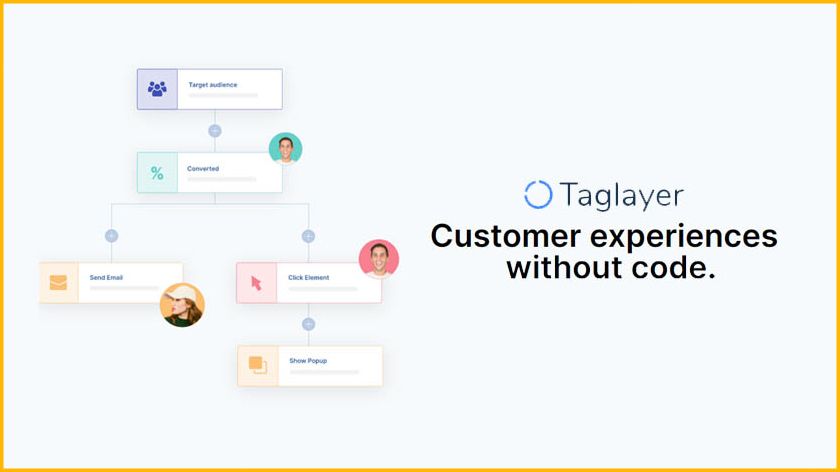
    Taglayer is a customer experience builder made for business marketers to build and sustain healthy relationships with customers. It enables you to show your customer the right content at the right time and in the right channel to turn visitors into loyal customers.

    With this tool, you can find out the interests of every individual visitor, so that you can personalize their experience better. You understand your customer better by keep track of their activities across different channels.

    Here is what it does:

    1. Understand your customer’s behavior

    Find out the part of a customer’s journey which makes them convert and act upon the data or churn.

    • Organize your workflow
      Taglayer highlights what requires immediate attention with relevant data to back up your action. Get a deeper understanding of customer psychology by showing you only the most relevant metrics.
    • Collaborate with team
      Find out the channels that acquire the most engaged prospects and convert more visitors in a collaborative effort. Build funnels, set goals, and measure your own progress, without any code. Create and share interactive dashboards with your team.
    • Measure results
      Pick an action and see how your visitors get there and what they do afterward. Compare patterns of returning users and new users to spot differences in experience so that you change what is needed. Understand how a visitor navigates your website so that you know how to guide their experience.

    2. Analytics

    Do you want to know what the interests of your visitors are? Or where they come from? When they will convert or churn? With a detailed analytics report, you can measure everything that you need to know about your visitors.

    • Conversion / Churn predictions
    • Interests
    • Demographics

    3. Visitor CRM

    In Taglayer’s visitor dashboard you can see a product or content recommendations for each visitor. This will allow you to contact them in an easy, personalized manner.

    4. Conversions

    Measure every action. You can even create funnels to find out where and when the visitors convert.

    You can do all this without any coding required.

    5. Automate experience that convert

    You can use the data gathered from Insights, Tracking, and other metrics to personalize visitor experience in the no-code visual editor. Everything from images, texts, elements, and popups can be personalized on your website.

    You can automate the experiences that result in conversions without any extra effort. Not only will you make it easy for visitors to find out what they like quicker, but you will also save time by automating these strategies for the best outcome.

    6. A/B testing

    You can test your own experience by creating A/B tests in Taglayer’s editor and measure the results in its dashboard before implementing the changes.

     Taglayer's A/B testing dashboard
    Taglayer’s A/B testing dashboard

    7. Retain you audience

    With email personalization and targeting, you can walk the extra mile to convert your visitors into loyal customers. You can analyze your best campaigns and recommend them in the right channels to optimize their experience and make them want to revisit again.

    Postpace – Streamline your writing process
    Postpace simplifies your writing process by automating content research andproviding you with a powerful content brief building tool. One of the toughest jobs in any industry or market is writing content. Whetheryou are a small-time blogger, freelancer [/tag/freelancing/] or anindustry-leading e…

    Taglayer – Pricing Plans

    Starter Plan A – $99 /lifetime

    • 3 users
    • 5 Journeys
    • 10,000 PageViews
    • Analytics
    • Editor
    • A/B testing
    • Personalization
    • Pop-ups
    • Conversion tracking
    • Templates
    • Support 48h
    • Reports
    • Integrations
    • Marketing Automation
    • 60 Days Refund Policy

    Business Plan B – $199 /lifetime

    • 5 Users
    • 15 Journeys
    • Marketing automation
    • No PageViews Limit
    • All the Features from the $99 Plan
    • 60 Days Refund Policy

    Ultimate Plan C – $595 /lifetime

    • 20 Users
    • 100 Journeys
    • Marketing automation
    • Unlimited PageViews
    • All the Features from the $99 Plan
    • 60 Days Refund Policy

    Taglayer – FAQ’s for Integration

    How does your AI work?
    By detecting user behavior and serving content based on their preferences.

    How do I publish cases?
    By selecting ‘publish all cases’ under the ‘Convert – cases’ tab. This button will publish every case once it is enrolled in a journey.

    How do you connect to our CMS/website?
    By installing tracking code (cfr. Google Analytics). After the tracking code is installed, we can track the behavior of your visitors and make changes to your website.

    Is it possible to connect with our CMS system?
    Connecting with every CMS is often not necessary. Although, depending on your needs, we will review the need for integration with the current CMS

    Conclusion

    Grow your business with Taglayer.

    Many companies don’t have a lot of options to generate traffic and then convert them into customers. As website traffic is hard to come by and can be costly, investing in the personal experiences of your visitors will be crucial to your business model.

    When they come to your website and find the right information or content at the right time, they are more likely to visit again in the future. By showing content that is relevant to their needs, more visitors are likely to convert. Your business will definitely grow after successful conversions and so will your budget to attract more traffic.

    What’s more, you can integrate Taglayer with every website. Connect Taglayer to the tools you already use to make it your central, organized hub for building data-driven experiences.