IndiGo airline stated on October 18, 2025, that it has placed a definitive order to purchase 30 more A350-900 aircraft from Airbus in order to expand internationally. With more than 400 aircraft in its fleet and more than 900 on order, the airline has been expanding its worldwide operations. According to IndiGo’s most recent announcement, which omitted financial information, there are currently 60 confirmed orders for the wide-body A350-900.
A long-term investment given the worldwide supply chain issues that cause shortages and delays in the delivery of new aircraft, the carrier has the right to purchase an additional 40 A350 family aircraft. In addition, the airline and Rolls-Royce have inked a deal for the installation of Trent XWB-84 engines in its fleet of Airbus A350 aircraft.
IndiGo Signed a Contract with Airbus
According to a press statement, the airline has a contract with Airbus that confirms the conversion of 30 of its 70 Airbus A350-900 purchase rights into firm orders. With this, IndiGo doubles its wide-body order from 30 to 60 Airbus A350-900 aircraft, the company said in a release. A Memorandum of Understanding (MoU) for these extra 30 aircraft was signed by both parties in June.
The conversion of the Memorandum of Understanding into a firm order for 30 more A350-900s, according to IndiGo CEO Pieter Elbers, is evidence of the airline’s faith in the future of Indian aviation and the strategic alliance with Airbus, which is further supported by the successful launch of our long-haul operations.
Elbers said that when these planes are added to our fleet in the upcoming years, they will be crucial in helping IndiGo reach a wider audience and link India with more international locations. Beginning in July, IndiGo began operating long-haul flights using leased wide-body Boeing 787 Dreamliners. In 2027, the airline anticipates adding its first A350-900 aircraft to its fleet. According to a press release from Airbus, as the economy expands and household incomes rise, international travel is booming in India, the aviation sector with the fastest rate of growth in the world.
Why IndiGo Selected A350-900?
It further stated that the A350 is in a prime position to support the nation’s long-distance travel goals. In the press statement, the aircraft manufacturer stated that although the A320 Family aircraft are helping to democratise air travel in India, the A350 has emerged as the benchmark aircraft to help the Indian carrier realise the full potential of the global market.
In the meantime, information on the Rolls-Royce’s price and engine count was kept secret. The Trent XWB-84 engines provide an amazing 84,000 pounds of thrust, industry-leading fuel efficiency, lower emissions, and exceptional dependability for long-haul operations, according to a different news statement from IndiGo. IndiGo said earlier in the day that it will begin flying narrow-body A321XLR aircraft from Delhi and Mumbai to Athens in January 2026.
Quick Shots
•The
airline now has 400+ aircraft in operation and 900+ on order, solidifying its
position as India’s largest carrier.
•The
new order converts 30 of 70 purchase rights into firm orders, following a
June MoU with Airbus.
•Pieter
Elbers says the deal reflects IndiGo’s confidence in India’s aviation future
and its strategic partnership with Airbus.
•IndiGo plans to use the A350-900s
to expand global connectivity and launch more long-haul international routes.
To further strengthen its green projects, the Indian IT firm Tata Consultancy Services has deepened its collaboration with the British multinational Rolls-Royce, which focuses on civil and defence aircraft as well as services and power systems.
As part of the partnership, researchers are looking into hydrogen fuel system technology, which might one day be used as a zero-carbon aviation fuel.
The environmental effect is something that TCS is also aware of. With 2016 as the baseline year, TCS established an ambitious sustainability goal in 2021: to cut absolute emissions from Scope 1 and Scope 2 by 70% by 2025 and reach net zero by 2030. After a baseline year of 2016, TCS decreased its absolute carbon footprint across Scope 1 and Scope 2 by 80% by FY24, surpassing its objective result by 10%, a full year before the deadline.
Aiding Rolls-Royce With Their Engineering Needs
In order to help Rolls-Royce overcome the three main obstacles to enabling hydrogen for use in aviation—fuel combustion, fuel delivery, and fuel systems integration with an engine—TCS has announced that it will offer engineering expertise and support to assist RR in achieving its goal.
The collaboration is in line with Tata Consultancy Services’ primary objective of using technology for the betterment of society.
Alan Newby, Director of Research and Technology at Rolls-Royce, expressed his enthusiasm for “TCS’s participation in our hydrogen research program, stating that their engineering capabilities will be instrumental in achieving our technological objectives. We have already made significant progress, and the presence of TCS provides us with supplementary capabilities as we continue on our mission to facilitate the energy transition in the aviation sector.”
“The partnership between TCS and Rolls-Royce is an exciting one that represents a powerful alliance in the quest for sustainable aviation solutions,” stated Anupam Singhal, President of Manufacturing at TCS. “We are in agreement with Rolls-Royce’s aspiration for a more sustainable future. This partnership is the ideal opportunity to leverage our technological capabilities and environmental passion to promote innovation and an environmentally friendly aerospace sector.”
Regu Ayyaswamy, Senior Vice President and Global Head of Internet of Things and Digital Engineering at TCS, stated, “For nearly a decade, TCS and Rolls-Royce have collaborated to enhance engineering excellence.” At a time when the aviation industry is confronted with the pressing challenge of reducing carbon emissions while maintaining performance and efficiency, the new partnership for research into hydrogen fuel systems is a critical next step. It is in accordance with TCS’ dedication to utilising technology to create a more sustainable future and make a positive impact on society.
Advertising is an important marketing strategy to earn profits by keeping customers informed about products and services and thus resulting in massive sales. Advertising brings new customers and also creates awareness about your band Despite the catchy headlines “10 brands that do not advertise” or “10 brands so popular that they don’t even need advertising!”, there is no such thing as zero advertising.
Some brands oppose the accepted procedures that most advertisers live by today, and it separates them and creates buzz due to its innate uniqueness. Thus, here are 6 brands that don’t do conventional marketing and what you can gain from every one of them.
Why big brands don’t advertise? | Marketing Without Advertising
Lamborghini
Lamborghini
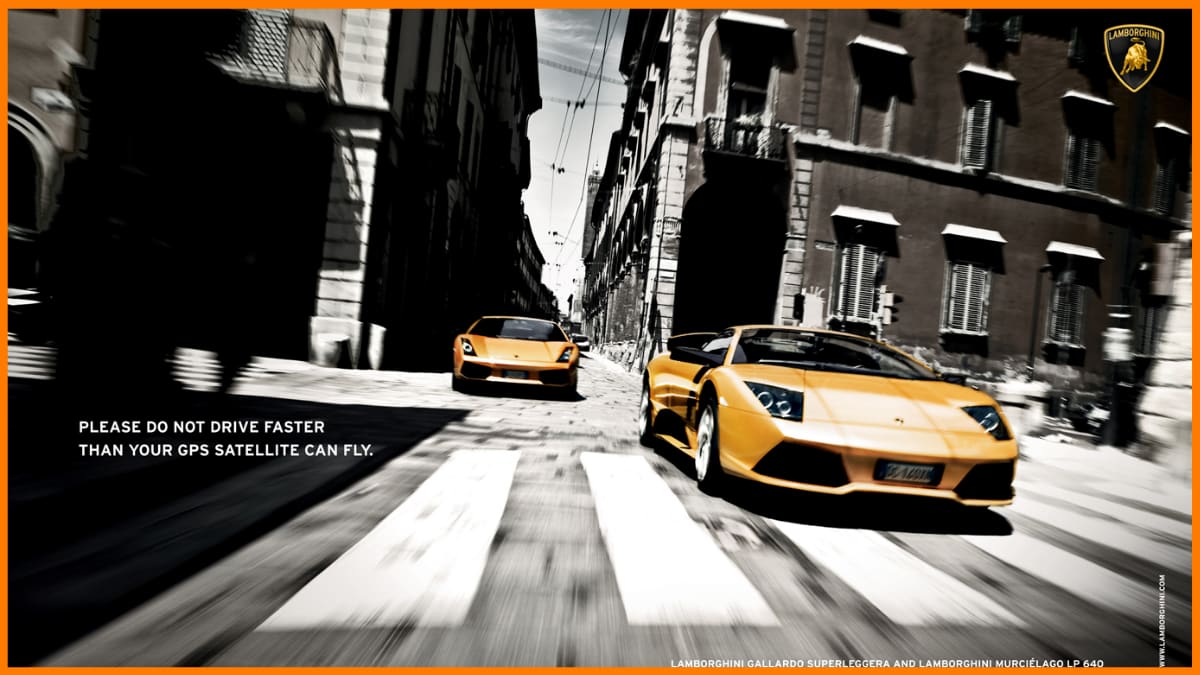
Owning the fast, powerful and luxurious beast is a dream for many people. It costs around $0.5 to $6 Million. Lamborghini knows exactly who their potential buyers are, and they have learned how to convert them into owners. Lamborgini considers advertising via tv commercials as an expensive waste of time.
During a meeting, the CEO of Lamborgini was asked why the organization doesn’t publicize?
He said, “The motivation behind why we don’t see Lamborghini television commercials is that customers who can bear the cost of them don’t sit the entire day sitting in front of the TV.”
Lamborghini publicizes through a wide range of channels, yet overwhelmingly using web-based media, vehicle-based TV programs, engine shows, magazines, and vendor promotions.
Zara’s first retail design store opened in 1975 and, starting in 2016, it flaunted 2000 stores in 77 nations. Zara centers vigorously around its item, spot, and value instead of advancement.
To begin with, they target men, ladies, and kids in profoundly populated urban communities. Second, they produce modest, in vogue clothing, with a high scrupulousness.
Furthermore, they just produce a limited number of pieces to make a sense of urgency among their shoppers. The uniqueness of Zara lies in the fact it spends just 0.3% of its sales advertising. It is fascinating to note that Zara never puts their image or logo on its items.
Naturals Ice Cream
Naturals Ice cream
New organic product-based grants and severe quality control are behind the achievement of Natural Ice Cream.
What sticks the buyers to this brand has been its USP itself-made of ‘sugar, milk, foods grown from the ground else’. Their items are healthy and liberated from additives.
Personalization of the brand, as far as Indian flavors, has been an additional benefit. Naturals Ice cream has never been advertised and solely relies on mouth publicity even today. As of 2021, this company has a market share of just over 10%.
Rolls-Royce
Rolls-Royce
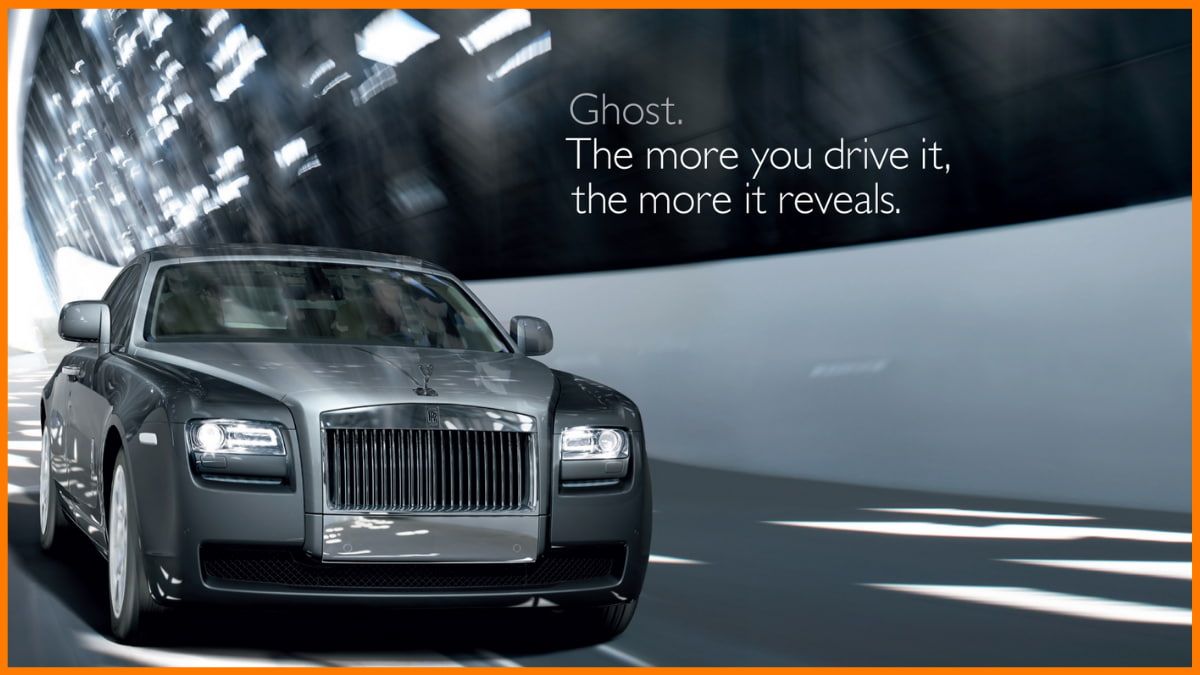
We are certain none of you would have seen this extravagant carmaker selling itself noisy to the crowd. It receives rewards from its standing among its well-off customer base. There is a quality of selectiveness that encompasses the brand name when just a modest bunch will claim it and obviously, a pride that it transmits.
Indeed, even without customary promotions, Rolls-Royce beat a 107-year-old deals record in 2012.
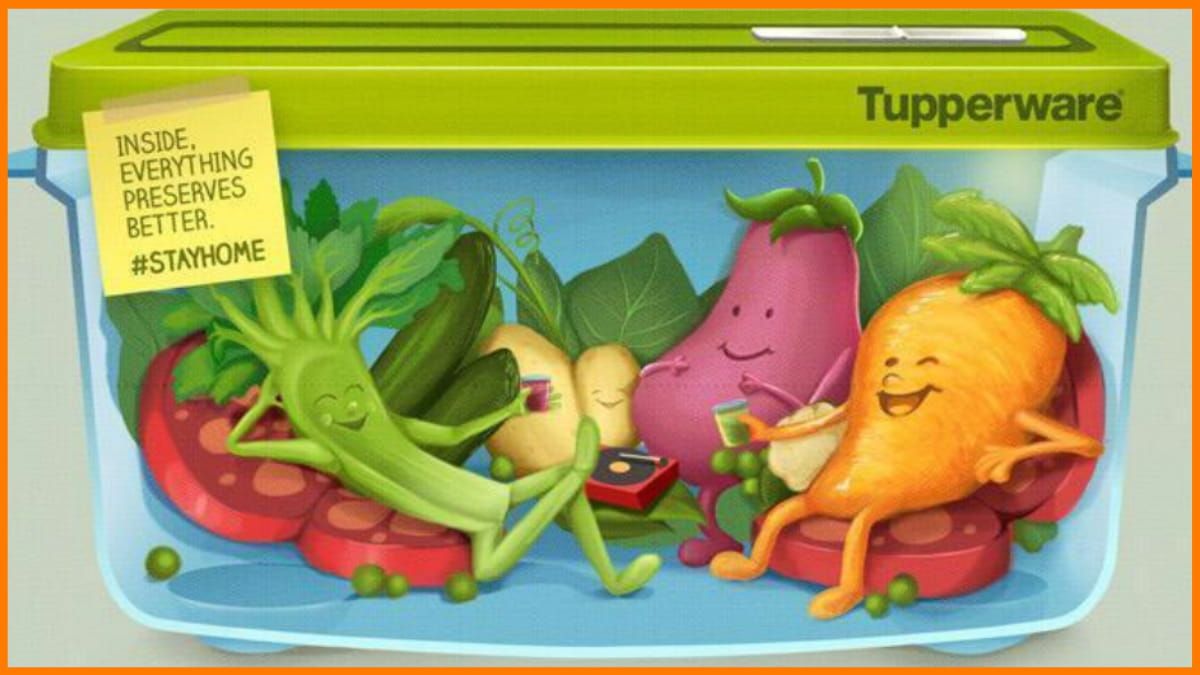
Earl Tupper started selling family plastics and drastically changed the entire kitchenware market with his clever plans. Investigating an undiscovered market and picking direct selling over some other promoting strategy, aided Tupperware register a big achievement.
Tupperware India, with a turnover surpassing Rs 100 crore, looks at its sales team as the leading force as opposed to publicizing or some other limited-time movement.
“Promoting through traditional media isn’t the system, however speculation on the business power is”, says Asha Gupta, General Manager, Tupperware India.
“We don’t publicize through the traditional media since we accept that it is more beneficial to contribute to our solid deals power and vendors. We like to channel our assets in the outreach group and back it with limited-time offers. We need our group to be our mouthpiece.”, Asha says.
Ferrero Rocher
Ferrero Rocher Advertisement
Ferrero Rocher has sold chocolates for than 11.4 Billion Euros and 61.4 Million Dollars in 2019. The company made its items accessible in 170 nations around the world. Ferrero offers its clients results of superior grade and heavenly taste.
A significant component is that the result of the organization is of a similar taste all through the world. Moreover, the wrapping of the chocolate balls makes them more alluring and attractive.
Ferrero Rocher centers around client connections to fulfill their needs as far as quality, taste, uniqueness, form, and development. This company rarely does any TV commercials and solely relies on digital promotion only.
Ferrero believes the most ideal approach to grow its buyers is to be straightforward to them and to consistently continue to convey the USP of every item to the buyers.
What makes these brands so unique?
These brands believe in themselves. They let their products and services speak for them and keep their focus on the pain points of their buyers. These brands have made the most out of the digital boom and the new advances in the growth of digital. By using first-class digital strategies, these brands have met their reasonable goals.
FAQs
Why do some brands do not advertise?
Successful companies use their products, reputations and stories to attract customers. Consumers buy from these brands because of the experiences and quality they offer.
Which brands don’t advertise their products?
Popular brands that don’t advertise their products are:
Rolls Royce
Tupperware
Ferrero Rocher
Zara
Lamborghini
Naturals Ice Cream
What are the Indian brands that don’t advertise?
Indian brands that are popular without advertising are:
Company Profile is an initiative by StartupTalky to publish verified information on different startups and organizations. The content in this post has been approved by Rolls-Royce.
Rolls-Royce is a name that has always gone with luxury. In fact, Rolls-Royce can be used as a term to define luxury. Rolls-Royce refers to Cars, this is what we’ve known so far. But they are more than what we know.
Rolls-Royce is an engineering company that manufactures Aero-engines and power systems for civil, defence and various other industries. It aims at creating power systems for the future that prove to be the safest and cleanest. On the other hand, Rolls-Royce cars are manufactured independently by the company called Rolls-Royce Motor Cars Limited, which is now a subsidiary of BMW.
The company has more than a century-long history dating back to 1904. Started as a car manufacturer, then was forced into the defence industry during the world war for making aero-engines, facing a financial collapse in the 1970s thus resulting in government take-over, various mergers, demergers and acquisitions which led them through a lot of ups and downs. Their journey is nothing short of excitement.
Rolls-Royce – Company Highlights
Company Name
Rolls-Royce
Headquarters
London, England, United Kingdom
Industry
Airspace, Defense, Automotive
Founders
Charles Rolls, Henry Royce
Founded
1904 (Partnership), 1906 (Company)
CEO
Warren East (Rolls-Royce), Torsten Müller-Ötvös (Rolls-Royce Motor Cars)
Parent Organisation
Rolls-Royce Holdings plc (Rolls-Royce), BMW (Rolls-Royce Motor Cars)
Rolls-Royce formally referred to as Rolls-Royce plc, is a company involved in manufacturing propulsion engines for civil and defence services and power systems for oil/gas and other marine industries. Charles Rolls and Henry Royce initially established the company for making cars. But during the First World War in 1914, the government forced them to manufacture Aero-engines for military activities.
They kept manufacturing cars between 1906 and 1973 but concentrated more on expanding their aerospace sector. Rolls-Royce builds engines for civil and defence aircraft, power systems for land and naval military vehicles including submarines. They also provide power solutions to the oil/gas industry and marine activities. In simple terms, Rolls-Royce is into innovating advanced solutions for meeting our planet’s power needs. Rolls-Royce is technically a subsidiary of Rolls-Royce Holdings plc since 2011.
Since 1973, after its demerger from the core company, the Rolls-Royce automotive sector went through a number of changes in ownership. Currently, Rolls-Royce cars are manufactured exclusively by the company Rolls-Royce Motor Cars Limited, which is a subsidiary of BMW.
Rolls-Royce – Latest News
November 8, 2021 – The United Kingdom Space Agency has joined hands with Rolls-Royce to explore the use of nuclear power in space travel. This may help them cut the space journey time and cost.
May 28, 2021 – Rolls-Royce Motor Cars has launched a new luxury model ‘Boat Tail’ priced around $28 million. It allows you to customize not only the interiors but also the body shape of the car.
Rolls-Royce – Founders and Team
Rolls-Royce Founder – Charles Rolls
Charles Stewart Rolls and Sir Frederick Henry Royce are the co-founders of Rolls-Royce. Charles Rolls (1877 – 1910) was a motoring and aviation pioneer who graduated from Cambridge in 1898. Henry Royce (1863 – 1933) was a popular design engineer for car and aeroplane engines.
Henry Royce – Rolls-Royce Founder
In 1904, they both co-founded Rolls-Royce along with Claude Goodman Johnson, who was the founding Managing Director of the company after its incorporation in 1906. Their passion for cars and engineering expertise fuelled the company’s growth all through the years.
Rolls-Royce – Startup Story
The seed for Rolls-Royce was planted in 1884 when Henry Royce started a mechanical and electrical business in Manchester. In the beginning, he was making dynamos and cranes. Later, he acknowledged the market potential of the car industry in the future and started working on it.
On the other hand, Charles Rolls graduated from Cambridge and got himself employed in various companies. But he was keen on marketing and motoring, thus started importing and selling cars.
In 1904, Royce was designing and manufacturing a car of his own and that is when Rolls happened to meet him at an Automobile Club. He was impressed by Royce’s design and agreed to sell all the cars that Royce would make. Thus on 23rd December 1904, at the Paris Motor Show, the brand Rolls-Royce was introduced by displaying their first car Rolls-Royce 10 hp.
It was initially started as a partnership in 1904. Then in 1906, Rolls-Royce was converted into a Private Limited Company and was further transformed into a Public Listed Company the subsequent year. After the death of Charles Rolls in 1910, Henry Royce and Claude Johnson took the company forward. They kept introducing new car models and by 1914, Rolls-Royce started manufacturing civil and defence aircraft engines too and made it a huge success.
Rolls-Royce’s mission is to provide “Better Power for a Changing World”. They aim at improving their standards and performances to provide competitive and clean energy for the future. Rolls-Royce also marches with a vision of Net Zero Carbon in all their endeavours to meet the present and future power needs, while also protecting our society.
Rolls-Royce – Name and Logo
Rolls-Royce Logo
The brand name Rolls-Royce was derived after the founders Charles Rolls and Henry Royce. The company’s name is always used with a hyphen in between, which emphasizes the friendly association between founders.
The logo of Rolls-Royce plc comes in the blue background where two ‘R’s are embedded closely to each other in the middle with Rolls on the top and Royce below. Rolls-Royce Motor Cars Ltd has a similar logo with a white background.
Rolls-Royce’s “Spirit of Ecstacy” emblem is highly admired by many. It resembles a woman leaning forward, with her hands stretched back. Her clothes billow from the back of her neck to her hands which look like wings. The Spirit of Ecstasy, also known as Eleanor or Flying Lady, was designed by Charles Robinson Sykes.
Rolls-Royce’s business model focuses on reducing the costs of its power systems. This helps them utilize funds to invent and innovate techniques that help them move closer to achieving their mission and vision. They generate revenue by selling engines and other power systems to various industries. Also, a part of the income flows through service contracts from airlines for maintaining the aircraft engines.
Rolls-Royce Motor Cars Ltd sells premium luxury cars with high standard and customized features to its customers. Their cars are priced ranging from ₹5 crores to ₹10 crores with Rolls-Royce Phantom topping the price table. Rolls-Royce recently introduced a model named ‘Boat Tail’ for its highly exclusive customers, which is priced at a whopping ₹202 crores.
Rolls-Royce – Challenges Faced
In 1971, Rolls-Royce declared Bankruptcy due to the losses suffered by mismanagement. Their fixed-price contract for manufacturing airlines engines with Lockheed Aircraft Corporation became the reason for their fall. This long-term contract made their losses unbearable. Rolls-Royce’s fall impacted various other industries, and as a result, the government stepped over the issue and nationalized the company. The government’s hold continued till 1987, after which it was again converted into a Private Limited Company.
The next big challenge faced by Rolls-Royce was during the Covid-19 pandemic. The reason stated was, 50% of their revenue comes from aerospace activities which were completely halted due to the crisis. The company reported a loss of around £4 Billion in 2020 which was the biggest loss reported in Rolls-Royce’s history.
Rolls-Royce has so far raised around $266 Million in 2 rounds. Their latest funding was through the Post-IPO Equity round for developing Small Modular Reactors (SMR).
Date
Round
Amount
Investor Name
November 9, 2021
Post-IPO Equity
£195 Million
BNF Resources, Exelon Generation Company
January 21, 2021
Convertible Note
$1 Million
United States Navy
Rolls-Royce – Mergers and Acquisitions
Rolls-Royce Motors demerged from Rolls-Royce (1971) Ltd., in 1973. It operated independently of its parent company along with Bentley Motors until 1980, when Vickers plc acquired this car business. Later in 1998, the Rolls-Royce motors were sold to Volkswagen Groupby Vickersbut the rights for using the name “Rolls-Royce” and the logo were purchased by BMW for £40 Million. From 2003, BMW got the sole right to name, manufacture and sell Rolls-Royce cars.
Roll-Royce plc was brought under Rolls-Royce Holdings plc as a subsidiary after the latter was incorporated in 2011. But all the major and principal operations are carried out by Rolls-Royce plc. The following are some of the top acquisitions and subsidiaries of Rolls-Royce Holdings plc:
Name of the Company
Year of Acquisition/Incorporation
January 14, 2020
QINOUS
March 30, 2015
R.O.V. Technologies
2014
Rolls-Royce Controls and Data Services
2014
Rolls-Royce Power Systems
July 2, 2013
SmartMotor
May 1, 2013
Hyper-Therm High-Temperature Composites
January 8, 2013
PKMJ Technical Services
May 23, 2011
Rolls- Royce plc
September 2, 2011
R. Brooks Associates
January 28, 2010
Europea Microfusioni Aerospaziali
January 6, 2010
ODIM
July 8, 2008
Scandinavian Electric Holding
1995
Rolls-Royce North America (earlier Allison Engine Company)
1998
Rolls-Royce AB (as a part of Vickers acquisition)
1999
Rolls-Royce Marine Power Operations
1998
Vinters Limited (as a part of Vickers acquisition)
Since the car division was demerged in 1973 and later acquired by BMW, it has seen significant growth in its sales over the years. They’ve even made a record sale in their history by selling more than 5000 cars in 2019. Here is the growth record of Rolls-Royce Motor Cars since 2007, according to Statista:
Year
Sales in Units
2007
1010
2008
1212
2009
1002
2010
2711
2011
3538
2012
3575
2013
3630
2014
4063
2015
3785
2016
4037
2017
3438
2018
4194
2019
5100
2020
3756
On the other hand, Rolls-Royce plc maintained their revenue with little ups and downs from 2016-19 but faced a pitfall of 28% due to pandemic in 2020. Here is their revenue chart for the past five years:
Year
Revenue
2016
£14.96 Billion
2017
£14.75 Billion
2018
£15.73 Billion
2019
£16.59 Billion
2020
£11.82 Billion
Rolls-Royce – Competitors
Though Rolls-Royce Holdings plc has a powerful brand identity, they have tough competitors in the market. Here is a couple of them:
General Electric – General Electric along with its partners leads the aero-engine market occupying 55% of the market share and holds the 1st position. GE is also involved in various high-tech industrial activities like power systems, aviation, renewable energy, and the digital industry.
Pratt & Whitney – Pratt & Whitney is another major competitor for Rolls-Royce in the aero-engine market. They also compete with Rolls-Royce in the manufacture of power turbines for marine and other industrial services.
When it comes to cars, Some of the top competitors for Rolls-Royce Motor Cars Ltd. are:
Rolls-Royce invests huge money in inventing technologies for efficiently meeting our world’s power needs. Their innovations are awe-inspiring which reduces cost for the customers as well as protects our environment.
Electic Planes – Rolls-Royce aims at electrifying the aviation sector. Their first all-electric plane made its maiden flight on 18th September 2021. This aircraft is further being enhanced to achieve a speed of 300 mph. In the view of combating climate change, Rolls-Royce is into developing zero-emission aircraft for the future.
Small Modular Reactors (SMR) – Rolls-Royce SMR Ltd was created to build power plants that generate electricity using SMR to meet the future power needs of the UK. This technology is expected to be available by 2030.
Space Exploration – Rolls-Royce is innovating nuclear technologies to develop power systems for space launch. Net Zero Carbon – Rolls-Royce put forth Net Zero Carbon as their major goal in all their present and futuristic development. They target to bring the carbon level to zero in their operations by 2030.
Rolls-Royce – FAQs
What does Rolls-Royce do?
Rolls-Royce is an engineering company that manufactures Aero-engines and power systems for civil, defence, and various other industries.
Is Rolls-Royce owned by BMW?
Rolls-Royce Motor Cars Ltd alone is owned by BMW since 2003. It is a separate entity from that of Rolls-Royce plc which is involved in the manufacture of aero-engines and power systems.
Who are the founders of Rolls-Royce?
Charles Rolls and Henry Royce started Rolls-Royce in 1904 as a partnership and incorporated as a Private Ltd Company in 1906.
Which is the costliest Rolls-Royce car?
The company’s latest introduction of ‘Boat Tail’ is the costliest Rolls-Royce model. Its price is estimated at around ₹202 crores and is made only for a few exclusive customers.