Tag: google for startups

  • 10 Biggest Failed Products of Google

    Google is known for its search engine, which is one of the most widely used on the internet. The company also offers a range of other products and services, including email, maps, productivity tools, advertising platforms, and hardware such as smartphones and smart home devices. In addition to its core business, Google has also pursued a number of other ventures, including developing autonomous vehicles, launching satellite internet service, and investing in renewable energy. The company has a strong focus on innovation and is known for its culture of experimentation, which has led to the development and launch of numerous products and initiatives over the years.

    In this matter of growing the business and arms and legs of google, it has made a lot of mistakes too. Mistakes, and that too, publicly. They take on pride and be true, that is the only way to grow. Here in this article, we have listed some of the ventures that soon failed after google launched them and could not become a hit like other Google services. This is just a small sample of the products that Google has discontinued over the years. Google is known for experimenting with and launching new products, and it is not uncommon for the company to discontinue products that are not successful or do not meet its goals.

    Google and Failed Products

    1. Google Glass
    2. Google Wave
    3. Google Buzz
    4. Google Reader
    5. Google Nexus
    6. Google+
    7. Google Allo
    8. Google Inbox
    9. Google Hangouts
    10. Google Play Music
      Key Takeaways

    Google and Failed Products

    There are many products that Google launched that did not become a hit but served as a lesson to the company. Google is known for experimenting with and launching new products, and it is not uncommon for the company to discontinue products that are not successful or do not meet its goals.  This is just a small sample of the products that Google has discontinued over the years. Let us see some of the viral but failed products.

    Google Glass

    Google Glass

    A wearable computer with an optical head-mounted display was released in 2013 and discontinued in 2015. Google Glass was a wearable computer with an optical head-mounted display that was developed and manufactured by Google. It was released in 2013 and discontinued in 2015. Google Glass was designed to be a hands-free device that could be worn like a pair of glasses, allowing users to access information and interact with their surroundings in a more seamless and natural way. It featured a small display that was positioned just above the wearer’s right eye, and it could be controlled using voice commands or touch gestures on the frame.

    Google Glass was capable of displaying notifications, taking photos and videos, and providing real-time information about the user’s surroundings. It was also able to connect to the internet and access a variety of apps and services.

    Google’s Market Share of Top 5 Countries

    Although Google Glass received a lot of attention and generated significant buzz when it was first announced, it ultimately struggled to gain widespread adoption. It faced a number of technical and privacy concerns, and it was eventually discontinued in 2015. However, the technology and concept behind Google Glass have continued to influence the development of other wearable products and augmented reality products.

    Google Wave

    Google Wave

    A communication and collaboration platform that was launched in 2009 and discontinued in 2010. Google Wave was a communication and collaboration platform that was launched by Google in 2009 and discontinued in 2010. The platform was designed to allow users to communicate and collaborate in real-time using a variety of tools and features, including text, images, videos, maps, and more.

    One of the key features of Google Wave was its ability to allow users to edit and collaborate on documents in real-time, similar to a Google Doc. Users could also leave comments on specific parts of the document and see other users’ changes as they were made.

    Google Wave also included a messaging feature that allowed users to send messages and attachments to each other, as well as a feature called “Wave Robots” that allowed users to automate certain tasks within the platform.

    Despite its innovative features, Google Wave struggled to gain widespread adoption and was eventually discontinued in 2010. However, some of the ideas and technologies developed for Google Wave were later incorporated into other Google products, such as Google Docs and Google Drive.

    Google Buzz

    Google Buzz

    A social networking service that was integrated into Gmail in 2010 and discontinued in 2011. Google Buzz was a social networking service that was integrated into Google’s Gmail service in 2010. It allowed users to share updates, photos, videos, and other content with their contacts, and it also had features for commenting and liking posts.

    Buzz was intended to be a rival to other social networking platforms like Facebook and Twitter, but it was met with a lukewarm response from users and faced criticism for privacy concerns. In 2011, Google announced that it would be retiring Buzz and integrating its features into other Google products.

    One of the main criticisms of Google Buzz was that it automatically created a list of a user’s contacts based on the people they frequently emailed or chatted with, and it made this list visible to the user’s followers. This led to concerns about privacy, as people’s contacts were made public without their explicit consent. Google eventually addressed these concerns by allowing users to edit their contact lists and by making it easier to control who could see their posts.

    Despite its short lifespan, Google Buzz did influence the development of other social networking and communication tools, and it helped to pave the way for the integration of social features into Gmail and other Google products.

    Google Reader

    Google Reader

    A news aggregator that was launched in 2005 and discontinued in 2013. Google Reader was a news aggregator that allowed users to subscribe to and read news and other content from a variety of sources in one place. It was launched in 2005 and was popular among users who wanted to keep track of their favourite websites and blogs, as well as among developers who used its API to build applications that integrated with the service.

    Google Reader had a number of features, including the ability to organize subscriptions into folders, mark items as read or unread, and share items with others. It was available as a web-based application and also had mobile apps for iOS and Android.

    In 2013, Google announced that it was discontinuing Google Reader, citing declining usage and a need to focus on other priorities. The service was officially shut down on July 1, 2013. Despite the popularity of the service among some users, its shutdown was met with backlash from some quarters.

    Google Nexus

    Google Nexus

    A line of consumer electronic devices ran on the Android operating system and was discontinued in 2016. Google Nexus was a line of consumer electronic devices that ran on the Android operating system. The line included smartphones, tablets, and streaming media players. The Nexus brand was developed in partnership with various hardware manufacturers, such as LG, Huawei, and HTC, and was designed to showcase the latest version of Android and provide a pure Android experience without any additional software or customization from the manufacturer.

    The first Nexus device, the Nexus One smartphone, was released in 2010. Over the years, Google released several other Nexus devices, including the Nexus 7 tablet, the Nexus 10 tablet, and the Nexus Player streaming media player. In 2016, Google discontinued the Nexus line and replaced it with the Google Pixel brand.

    Google Chrome Market Share

    Nexus devices were known for their high-quality hardware, fast performance, and timely updates to the latest version of Android. They were popular among Android enthusiasts and developers who appreciated the clean, unmodified version of Android and the ability to root and customize their devices. However, the Nexus line never achieved the same level of market share or popularity as other Android devices from manufacturers such as Samsung and LG.

    Google+

    Google+

    A social networking service that was launched in 2011 and discontinued in 2019. Google+ was a social networking service that was launched by Google in 2011. It was designed to allow users to connect with each other and share information, such as photos, videos, and links, in a manner similar to other social networking platforms like Facebook and Twitter.

    Google+ had a number of features, including:

    • Streams: A feed of updates from people in a user’s circles (groups of people that a user had chosen to follow).
    • Communities: Groups of people who shared a common interest and could discuss and share content related to that interest.
    • Hangouts: A video chat feature that allows users to have group conversations or one-on-one conversations with other users.

    Google+ was initially met with positive reviews, but it struggled to gain a significant user base and faced competition from other social networking platforms. In 2019, Google announced that it would be shutting down Google+ due to low usage and the discovery of a security flaw that had exposed the personal data of hundreds of thousands of users. Google+ officially shut down in April 2019.

    Google Allo

    Google Allo

    A messaging app that was launched in 2016 and discontinued in 2018. Google Allo was a messaging app developed by Google that was launched in 2016 and discontinued in 2018. The app was designed to allow users to communicate with each other through text, images, and emojis, and it included features such as smart replies, which offered automated responses to messages based on the context of the conversation.

    One of the main features of Google Allo was its integration with Google Assistant, a virtual assistant that could help users with tasks such as searching the web, setting reminders, and making recommendations. The app also had a feature called “incognito mode,” which allowed users to send messages that would automatically be deleted after a set amount of time.

    Google Allo was available on both Android and iOS platforms and could be downloaded for free from the App Store or Google Play. However, despite its features and integration with Google Assistant, the app struggled to gain a significant user base and was eventually discontinued in favour of other messaging platforms developed by Google.


    How Google Became A Globally Well-Known Brand
    The Google Inc business model can be seen more clearly when it is divided into a few key areas Key Partners,Key activities,Key resources and………….


    Google Inbox

    Google Inbox

    A mobile app and email service that was launched in 2014 and discontinued in 2019. Google Inbox was a mobile app and email service that was launched by Google in 2014. It was designed to help users manage their email more efficiently by providing features such as the ability to snooze emails, create to-do lists, and set reminders. Inbox also offered email categorization, which automatically sorted emails into categories such as “Promos,” “Purchases,” and “Travel.”

    Inbox was intended to be an alternative to the traditional Gmail interface, and it was initially only available by invitation. However, it was eventually made available to all Gmail users.

    In 2019, Google announced that it would be discontinuing Inbox and integrating its features into the regular Gmail interface. The Inbox app was officially shut down in April 2019, and all user data was transferred to Gmail.

    Many users appreciated the additional features and functionality that Inbox provided, but some found it confusing or overwhelming. Ultimately, Google decided to discontinue the Inbox app in favour of focusing on improving and updating the core Gmail experience.

    Google Hangouts

    Google Hangouts

    A communication platform that included messaging, video chat, and VOIP features was discontinued in 2020. Google Hangouts was a communication platform that included messaging, video chat, and Voice over Internet Protocol (VoIP) features. It was launched by Google in 2013 as a replacement for several older messaging and video chat products, including Google Talk, Google+ Messenger, and Google Hangouts Chat.

    Google Hangouts was available on desktop and mobile devices, and users could access it through the web or through dedicated apps for Android and iOS. It allowed users to send messages, make voice and video calls, and share photos and files with other users. It also had a number of additional features, such as the ability to make phone calls to landline and mobile phones, participate in group conversations with up to 150 people, and use a variety of emoji and stickers to express themselves.

    Google Hangouts was widely used for personal and business communication, and it was integrated with a number of other Google products, including Gmail, Google Calendar, and Google Drive. However, in 2020, Google announced that it would be discontinuing the service and transitioning users to other communication platforms, such as Google Meet and Google Chat. The company cited the growing popularity of these newer products as the reason for the discontinuation of Hangouts.

    Google Play Music

    Google Music

    A music streaming service that was launched in 2011 and discontinued in 2020. Google Play Music was a music streaming service developed by Google that allowed users to listen to music on demand and discover new music. The service was launched in 2011 and was available on a variety of platforms, including Android, iOS, and the web.

    Google Play Music offered a large library of songs, albums, and playlists that users could access through a subscription or by purchasing individual tracks or albums. The service also included features such as personalized recommendations, curated playlists, and the ability to upload and stream up to 50,000 of your own songs.

    In addition to streaming music, Google Play Music also offered a number of radio stations that played music based on different genres, moods, and activities. Users could also create their own radio stations based on a specific artist or song.

    Google Play Music was discontinued in 2020 and was replaced by YouTube Music, another music streaming service developed by Google. Many of the features and functions of Google Play Music were integrated into YouTube Music, including the ability to upload and stream personal music libraries and access a large library of songs and albums.

    Key Takeaways

    While Google is learning and getting better by making mistakes, we can also learn from this. We don’t have to repeat mistakes, we can just look for the key takeaways and move on to build a better product. There are a few key learnings that can be taken away from Google’s failed products:

    Market fit is important: Many of Google’s failed products did not gain traction with users because they did not solve a problem or fulfil a need in a way that resonated with the target market. It’s important for companies to carefully consider whether a product or service is meeting the needs and desires of their target audience.

    Competition can be fierce: In some cases, Google’s failed products were competing in crowded markets with strong incumbent players. It can be challenging to gain a foothold in a market that is already dominated by well-established competitors.

    Timing is crucial: Some of Google’s failed products were launched at a time when the market was not yet ready for them or when similar products were already well-established. It’s important for companies to consider the timing of their product launches and whether the market is ready for their offering.

    It’s okay to pivot or discontinue products: Google has shown that it’s willing to pivot or discontinue products that are not meeting its goals or are not resonating with users. It’s important for companies to be willing to make tough decisions and change course if necessary, rather than continuing to invest in products that are not performing well.

    Continuous experimentation and innovation are key: Despite some failed products, Google has had many successful products and services as well. This success is often attributed to the company’s culture of continuous experimentation and innovation, which allows it to quickly test new ideas and pivot as needed.

    Conclusion

    It is common for people and products to experience failure as a part of the process of learning and improving. Failure can be a valuable opportunity to reflect on what went wrong, identify areas for improvement, and make changes to better achieve success in the future. This is true for individuals as well as for companies and their products.

    In the case of Google, the company has a culture of experimentation and innovation, and it is not afraid to take risks and try new things. As a result, some of its products and initiatives have been successful, while others have not. However, even products that are discontinued or shut down can provide valuable insights and experiences that can be applied to future projects.

    Despite its success and influence in the tech industry, Google has had its share of failed products and initiatives. From Google Glass to Google Wave, these discontinued products serve as a reminder that even the most innovative companies can experience setbacks and failures. However, these failures can also provide valuable lessons and insights that can inform future product development and help a company like Google continue to push the boundaries of what is possible. So, it is important for companies to embrace failure and learn from it as a part of the innovation process.

    FAQ

    How many people use Google for services?

    Google is the world’s largest search engine, and it has over 1 billion people who use its products and services.

    Was Google Glass a failure?

    This revolutionary high-potential holder product was largely rejected by consumers from the mass market. Google Glass failed in many elements such as health and safety concerns, extensively high price, heat issues and many more.

    Why did Google Plus fail?

    The answer to why Google+ failed could be attributed to its clumsy user interface. Google’s focus at the time of its establishment was on its users, not the general public.

    Why did Google wave fail?

    The wave was a finished product at the time of its release. It was buggy, and the user interface was poorly-designed and bothersome to use. Users got tired of explaining to their colleagues and friends how Wave worked and how to use basic features.

  • What Is Google’s Startup School and How Can You Be a Part of It?

    In the matter of a few years, India is seeing tremendous growth of startups and unicorns. If we talk about the growth of startups, it is not something that has happened overnight. Due to the lack of proper funding and investor network, the startup culture in India took its own sweet time to grow.

    Although, the concept began over four decades ago. Through those years, there have been significant numbers of many industries, which have restored the Indian economy. It is now that the idea of a startup has garnered a lot of attention. The world of startups and unicorns is not just in the USA anymore.

    Today, India is number three in terms of having the highest number of startups. In 2020, when the world came to a standstill because of the COVID-19 pandemic crisis, indeed there were tensions around but in reality, it has accelerated the growth of startups not only in India but around the world.

    Recently, Google announced that they have launched a platform called ‘Google Startup School India” to help around 10,000 startups in India, especially in tier 2 and tier 3 cities.

    Before we dig into what is Google Startup school, let’s first understand what a startup actually is.

    What Is a Startup?
    What Is Google Startup School?
    Response of Indian Entrepreneurs to Google Startup School
    The Agenda of the Google Startup School Initiative: Why Is It Happening Now?
    How Can You Be a Part of the Google Startup School?

    What Is a Startup?

    A startup is a company that is in its beginning and development stage. It is started in order to provide unique solutions to problems that have never been solved before or to provide much better solutions to recreate in a more efficient manner for the already existing problems.

    Earlier, the idea of startup was linked to Silicon Valley in the U.S as we all saw the peak of many startups like Facebook, Microsoft, and many others. As a result of globalisation, and privatisation, the dynamics have changed in India, when the government encouraged people to set up their own businesses. This day, Bangalore in India is the startup hub.

    What Is Google Startup School?

    In 2011, Google launched a program called Google for Startups. The idea behind this initiative is to partner up with local startup communities to help them by providing tools and workshops for the local startup companies. They also have Google Campus, which is a co-working space for young tech entrepreneurs.

    Google for Startups Website
    Google for Startups Website

    On July 6, 2022, Google made an announcement of its new program called Startup School India (SSI) as a part of the Google for Startups initiative intending to build a systematic curriculum to help 10,000 startups in tier 2 and tier 3 cities in the country.

    This initiative by Google Startup School is a nine-week virtual platform where investors, successful entrepreneurs, and programmers from across the startup ecosystem will join together for discussions and sharing of ideas.

    Google’s main focus is to reach out to the huge network of startups in India through this ambition. Google saw the potential of Indian startups as the country homes nearly 70,000 startups. Not in cities like Bengaluru, Hyderabad, Delhi, or Mumbai, there are fast-growing companies in cities like Ahmedabad, Jaipur, and Indore too.

    According to survey experts, 90% of startups fail in their first five years all because of a lack of knowledge, unorganised cash flow, lack of leadership, and insufficient funding.

    Response of Indian Entrepreneurs to Google Startup School

    Some Indian entrepreneurs think that this initiative will be a good start for many Indian startups. Hear their thoughts about this:

    Rahul Garg, Founder of Moglix says,

    “Startup enterprises in India have been known to be innovative and nimble-footed in responding to business challenges. This is testified by the fact that Indian startup enterprises have filed 6000 patent applications in the United States, thus representing 60% of the total patent applications in the country. The combination of intellectual power, original thinking, creative application, and technology, as well as a fertile economic ground to experiment in a market full of problems and opportunities, has resulted in considerable growth of these businesses, with many of them turning into Unicorns. The Google Startup School will provide an avenue to entrepreneurs to come out of their closet and look for opportunities.”

    Varun Alagh, Co-founder of Mamaearth says,

    “Google has always believed in giving back to the startup ecosystem and this initiative lives the spirit. After working with thousands of startups they truly understand the need gaps which their Startup School initiative aims to bridge.”

    The said programme will feature various instructional modules on how to shape an effective strategy, road mapping to building apps for users in India, and such. Besides these modules, the agenda will also provide opportunities for founders to have an understanding from discussions given in the platform as to what makes an effective founder and creator and much more.

    The Agenda of the Google Startup School Initiative: Why Is It Happening Now?

    India is booming with young entrepreneurs, which is why Google is here to offer these entrepreneurs the technical skills to build a startup. They aim to train 10,000 startups in small cities.

    With the help of this programme, the participants can develop their entrepreneurial skills and professional skills, and boost their confidence which will ultimately allow them to perform the role of a manager in a better way and increase their earning potential as well.

    The course will provide hands-on training and projects for startup founders. They will be equipped with tools and workshops that are needed for them to succeed in creating a tech startup. The programme will be led by many Google experts, founders, and VCs, who will share their knowledge and experience through live classes.

    How Can You Be a Part of the Google Startup School?

    If you are a budding entrepreneur from tier 2 and tier 3 city, who is looking for knowledge on how to start a tech company, then this course is for you.

    You can simply register on their website by signing up with your Gmail account. You can sign up for any specific event of your choice. After successful registration, you will receive an email confirmation with all the details about the event.

    Google Startup School India
    Google Startup School India

    Although the course is open to everyone, it is mainly focused on startup founders only with an exclusive space where they can interact and ask relevant questions.

    Conclusion

    India has many talented minds but the gap between them in reaching their goals is hindered because of a lack of meaningful guidance. Google’s initiative is going to fill the gap and act as a bridge for them by training them at an early stage so that they can be a better version of the entrepreneur they want, that our country is looking for and deserves to have.

    FAQs

    Does Google invest in startups?

    Yes, Google has a venture capital investment arm, Google Ventures which has invested in 500 companies.

    What does Google for startups do?

    Google for startups helps entrepreneurs meet the right people and supports thriving startups to grow.

  • Why Did Google Stadia Fail to Impress Gamers?

    If you are someone who loves gaming, Google’s Stadia is perfect for your games and entertainment purposes. Launched in November 2019, Stadia make your favourite games instantly accessible no matter where you are.

    It’s apparent that Stadia’s technology has been proven and works at scale, as evidenced by the recent successful launch of Cyberpunk 2077 on Stadia, gameplay on all types of platforms, including iOS, extending our slate of YouTube integrations, and our global expansions.

    It was an attempt by Google to join the video games and entertainment industry by creating this platform. Unlike Nintendo, Sony, and Microsoft, Google’s focus was on cloud-based streaming, which means that instead of purchasing real gear like the PlayStation 5 or Xbox Series X, consumers only need a compatible device, such as a phone or tablet, and they can play from anywhere.

    Unsuccessful Launch
    Poor Advertising Plan
    Falling Back in Delivering Better Service
    Misconceptions About the Gaming Market
    Stadia Was Like a Stranded Product on Google’s Platform

    What Is Google Stadia?

    Stadia is a cloud gaming service introduced by Google. It was a new type of gaming platform that does not involve any console requirement to gain gaming experience. Instead, Google Stadia allows the users to play their games on any available screen over the internet.

    Google Stadia
    Google Stadia

    Google Stadia was introduced on 19th November 2019 and discontinued on 1st February 2021. Even after being a Google product with a great concept, Stadia failed to create its place in the market.

    There can be many reasons for the failure of the Stadia such as:

    Unsuccessful Launch

    Unfortunately for Google, the program received backlash when it first launched about a year and a half ago. The reviews suggested that the management could have devoted more effort to working out Stadia’s faults. From there, things only seemed to become worse, culminating in the latest studio shutdown and discoveries that made social media news.

    Google Stadia Reviews
    Google Stadia Reviews

    Whenever one adds in claims of odd money management and an apparent misunderstanding of how the games industry works whenever it comes to AAA ports, the streaming service has had a hard go of it recently. Stadia’s potential employers dropped 68% lower according to the business reports, a year after its unsuccessful launch.

    Critics instantly warned users against using the service because of its limited game catalogue and several technical concerns. It has also failed to acquire traction, even though COVID-19 was witnessing one of the most significant increases in gaming popularity in the medium’s history. So, when other gaming platforms gained popularity Stadia was losing its day by day. Which was strange because Google had Stadia’s back.

    Google Stadia Active User Count Of The Year 2019-2020.
    Google Stadia Active User Count Of The Year 2019-2020.

    Poor Advertising Plan

    Now, in circumstances like these, at least the advertisements and brand awareness go up. Since this was a gaming platform the creators did try and reach out to its audience (Gen Z) but, Stadia had received its fair share of setbacks on social media. On February 26, Bloomberg’s Jason Schreier published an article explaining, Google’s Stadia strategy and also tweeted about it.

    Jason Schreier on Google Stadia
    Jason Schreier on Google Stadia

    The article gave details outlining the platform’s growth from inception to debut in November 2019, “although Schreier claimed that the corporation was spending tens of millions of dollars on each Stadia port that went viral on social media.

    Essentially, instead of investing those resources toward independent developers or Stadia’s studios to create unique content for the service, Google was paying Ubisoft and other AAA video game developers ridiculous sums to bring their latest titles to Stadia.”

    Paying millions of dollars for games that had already been launched was even more distressing news, given that Google had only announced the closing of its in-house studios a few weeks previously. Instead of being developed by Google, all original content created solely for Stadia will have to come through partnerships with other studios.  

    Overall, Google STADIA has failed to live up to its creator’s expectations of being a game-changing platform. It doesn’t appear to be getting any better, either, given its bumpy history.


    List of Subsidiaries and Acquisitions of Ubisoft
    Ubisoft is one of the top gaming companies in the world headquartered in Montreuil. Take a look at the subsidiaries of Ubisoft.


    Falling Back in Delivering Better Service

    During the launch event of Stadia, There were many promises done by the speaker.

    Google Stadia Launch
    Google Stadia Launch

    Stadia is not constrained by the limitation of traditional console systems. Instead, we have built a truly flexible, scalable, and modern platform that allows us to push performance beyond what was previously considered possible. This architecture gives us even more flexibility to scale. And thanks to fast transfer speeds between the Stadia instances in our data center, our platform can connect instances to dynamically expand the capabilities, along with the need of your games. As a developer, you’re used to being forced to tone down your creative ambition, [which is] limited by the hardware. But our vision with Stadia is that the processing resources available will scale up to match your imagination. In this new generation, the data center is your platform. Revealed by Stadia Head of Engineering Majd Bakar during the launch event.

    However, when the product was made in use, the reality found was quite different from the explanation. Stadia failed to survive users test and create a place in the market. Many users report claiming Stadia slow servers with poor resolution. Hence, this also added to the list of “drawbacks of Stadia”.


    Growth Of Indian Gaming Industry During Pandemic
    The Indian Online Gaming Industry is growing exponentially fast and is expected to be worth $1.1 billion by 2021, this is because of the Covid 19 pandemic.


    Misconceptions About the Gaming Market

    Google is a big name in the market. However, this name is majorly applied in cloud services only. It was the first time creation of a gaming product by Google. Hence, it can be assumed that Google was not aware of the trends going on in the market and might have a misconception about it.

    The gaming market no longer lacks any technology-related limits. Instead, it is the place where much new technology takes part as the first trial. Google might have taken the gaming market still as a newbie and didn’t minded to work more on the project.

    Stadia’s Game and Entertainment was the first in-house gaming studio developed by Stadia. It was pulled off after one year of discontinuing Stadia. The gaming studio was given the charge of creating exclusive games. However, the decision of pulling it off caused others a hazy impression of Google.

    Creating games takes time and the decision of closing the Studio within one year of stadia affected the employees working in the studio with multi-year reassurance. All these indicate the misconception that Google has related to the gaming industry and indirectly caused the failure of the platform as a whole.

    Stadia Was Like a Stranded Product on Google’s Platform

    The sentence stranded in a place might seem like an exaggeration to use for Stadia. However, in reality, the only connection between Stadia and other Google platforms was from 4K live on YouTube.

    These factors can indirectly affect the popularity of newly introduced products. Stadia was too late to realize this. It took the whole year for Stadia to be included in the 2020’s Chromecast with Google TV.

    For the initial months, Stadia was known to work with Pixel phones only. However, with the launch of Pixel 6, Stadia was nowhere to be seen in its bundle. Whereas, Stadia was marketed as a major point in the selling of Pixel phone.

    Stadia was forgotten by Google at such limits that Xbox provides YouTube premium as its perk. However, Google didn’t consider using the same tactic for its brand. With all these points, it can be assumed that Stadia was long forgotten even before its discontinuation causing a few percent of damage to its popularity which led to its failure.

    Conclusion

    Google Stadia was created with much hope and as a Google-backed product. Yet, at many points, Google failed to impress the gamers with Stadia causing an ultimate decision of discontinuing the service. Stadia was created as a gaming platform that can be used on any normal screen rather than using the console. However, due to many issues, it was pulled off in 2021 by Google. Some of the estimated reasons behind the failure of Stadia are shared above.

    FAQs

    What is Google Stadia?

    Google Stadia is a gaming platform developed by Google that allows its users to play games on a single platform using the same screen. It is a cloud video gaming platform that does not require any additional hardware to play games in it.

    Why did Google Stadia fail?

    Google Stadia failed due to many reasons. Some of them are poor advertising plans, improper implementation of strategies, bugs in the service, etc.

    Are games on Stadia Free?

    The games available on Stadia fall into different categories. One is free and the other requires a subscription. Few games are free on the Stadia to play.

    What happened to Google Stadia?

    Google Stadia stagnated on 1st February 2021 after its unfortunate failure in creating a name and meeting the user target.

  • Google for Startups – An Accelerator Program By Google to Support Startups

    Google for Startups is an accelerator program by Google for supporting Startups and helping them grow. It provides mentorships, training, and, guides entrepreneurs to find solutions for the challenges they face in building and growing their startups. StartupTalky took an initiative to know the details of the program – Selection Procedure, challenges to be addressed, help for women entrepreneurs, and more.

    Here are insights into Google for Startups by Paul Ravindranath G – Program Manager, Developer Relations & Head of Google Accelerator at Google India, Bangalore.

    How is Google for startups different from the traditional accelerator model?

    The Google for Startups Accelerator helps startups build successful products and businesses by focusing on 360* needs of the company and founders. Our needs analysis for selected startups helps us define a custom support plan for each of the startups that meet them at their point of need. Not only is there focus on solid tech, product strategy and growth but also on people and leadership.

    How is the selection procedure for startups?

    When applications open, startups can apply directly at the accelerator tab of Google for Startups.

    GFS Accelerator looks for startups that are meaningfully and scalably solving for the challenges of the current times. The program is vertical agnostic, but given the need to further innovation in an increasingly digital-first world, we are carefully considering verticals such as Edtech, Healthtech, Fintech, Retail & Logistics, Media & Entertainment, Agritech and Gaming.

    The 3 months mentorship program selection process has some basic eligibility criteria such as:

    • Startups need to be based out of India
    • Should preferably in the seed to Series A, B stages
    • Deep understanding/application of new-age technology

    What areas do most startups at the program struggle with/ What problems do they expect you to address?

    The program’s focus is a founder-first, founder-friendly approach to support startups in solving their business, operational, and technology challenges.

    Startups face a varied set of challenges at different stages of growth and maturity. Since the accelerator is a stage agnostic program, it presents the opportunity to work with startups facing diverse challenges. With a strong mentor base and methodologies to help with various areas, the program can address key challenges faced by founders.

    User Experience/User Interface, Product Strategy, Tech Architecture, Growth and Marketing and People Development tend to be the main areas where the program can add value to startups.

    Additionally, we also provide them with extensive training on leadership along with robust strategies for building company and product capabilities. As part of this program, founders outline the top challenges facing their startups and are then paired with relevant experts from Google and the industry to solve those challenges.

    We can see an inclination among startups towards AI and ML, where they adopt predictive decision-making capabilities, making them vital for scale based solutions.

    Is the support more tech-centric or spread across different domains? Do you plan to expand the horizon?

    Accelerator helps startups scale and be successful with strong product strategy and a robust and scalable technology approach. The 360* approach we take helps address all the key areas of concern for a startup. The goal is to constantly look to add on expertise and methodologies to help startups thrive.

    Every startup is unique and has different needs, how do you address their needs individually?

    With every class batch we attempt to identify some unique and interesting startups. Each of these businesses have different requirements and different business challenges. The accelerator is looking for startups at all stages of development that are not only using cutting-edge technology but are also helping India, and potentially the rest of the world, adapt and move forward especially in a post pandemic world.

    At the very beginning of the program, selected startups go through a complete needs analysis with a panel of experts and mentors. This exercise helps us build distinct goals and objectives for every startup that are addressed through a mentoring bootcamp, access to mentors and Google teams to help in moving their goals.


    Facebook Startup Funding | Startups Funded by the Facebook
    Facebook accelerator program invests in startups. Know about Facebook startup funding. Here is a list of Startups that are funded by facebook.


    What are few areas which Google for startups provide a unique value? Does it help in connecting partners with govt agencies or a few of the best customers?

    Startups are connected to mentors from all over the world through the accelerator programme. As part of the programme, we have over 20 Google teams and hundreds of industry experts who assist with operational, technology, and business difficulties. Mentors bring expertise across a wide range of areas such as User Experience and User Research, Technology covering Android, Cloud, Web and more. Marketing & Growth, Leadership are other key areas.

    Additionally, the startups also find themselves to be eligible for the following perks, once they are part of the Google for Startups Accelerator Programme.

    • Equity-free support
    • Technical training on design, people, product, and growth marketing
    • Support on high-level company and product strategy
    • Google product credits and early access to new services

    What’s the format/curriculum of the program? Does it change every year?

    Google for Startups Accelerator India is a three-month cohort based program. There are typically 2 cohorts a year. While the accelerator team is based out of Bengaluru, the scope of the programme expands over the country where we handpick the best and the most promising startups to be a part of the batches.

    In light of the constraints posed by the pandemic, the accelerator currently runs as a fully digital program but is hopeful of going hybrid as things improve. During the beginning of the program, we work with the startups selected into the accelerator to determine each startup’s challenges and support required from the program. Then these startups go through an intensive Bootcamp around topics such as Product, Design, Technology, People & Growth, followed by the OKR (Objective Key Results) workshop to define their objective for the next 3 months.

    Have you ever considered a program specifically for women entrepreneurs or tier2 or tier 3 city startups?

    Despite the many strides in diversity and inclusion efforts in different industries in India and the world, we remain at some distance from true and proportionate representation of women in the workforce – be it in leadership, entrepreneurship or otherwise.

    This is a gap that we are committed to closing through various efforts within Google and beyond, across all the communities we support. Our ongoing efforts to support women entrepreneurs are one of these. To showcase our belief in the Indian women entrepreneurs, for our 6th batch we have selected around 35% of women-led startups in the mix and comprising a mix of B2B & B2C startups between Seed and Series A stages.


    List of Unicorn Startups in India | Top Unicorns in India
    India has over 90 unicorn startups including Paytm, Byju’s, Zerodha and more. Here’s an exhaustive list of the Indian Unicorn Startup Companies that joined the unicorn club, updated to 2022.


    Do the alumni startups contribute in any way to the program?

    With over 100 startups graduating from the program, we have a broad set of alumni, including unicorns like Sharechat. Several Alumni give back to the program with their recommendations of great upcoming startups. They come forward to support the cohorts as mentors, speakers and more.

    Could you please share some insight on the success rates of the startups after the program?

    The Google for Startups Accelerator has mentored over 116 startups, who have collectively raised over $2 billion in funding and contributed significantly to India being one of the world’s largest startup ecosystems.

    Startups solving for key large-scale opportunities that India presents such as Drivezy, Nestaway, Sharechat were part of our early cohorts. Several companies like Niramai that apply cutting edge AI/ML tech in healthcare, specifically early detection of breast cancer have benefited with our technology input.

    These startups, along with all the others in the previous batches of GFSA, continue to make an impact in the country.

    Few things we (the whole startup community) can do to support startups across India?

    The Indian startup community is currently witnessing a maturing cycle and even through the pandemic, growth has been solid. As a startup ecosystem few trends present an opportunity for us all to make a difference.

    Women’s Entrepreneurship is an area that not only requires focus from an access-to-capital perspective, but also building programs that meaningfully provide access to networks, mentors & addressing challenges specific to women founders is key.

    So also is the area of helping founders understand how to build great teams. Employability and access to good talent have been a challenge for seed to series A companies.

    Enabling startups with insights, research and access is going to be key as they innovate and solve for India and the world.

    The biggest support that we can provide each other in this thriving ecosystem, is collaboration across the ecosystem. Collaboration with a founder first, founder-friendly community approach can make a true impact as startups help accelerate our economy.

  • How will Atmanirbhar Digital India Foundation benefit startups

    Atmanirbhar Digital India Foundation (ADIF) is a body formed by a group of Indian investors and startup founders. They have joined hands together to set up a new alliance.

    This body is also expected to in the creation of sustainable development and growth in the digital economy in the country by interacting with the government and regulators on the policy framework that is required.

    The main objective of the Atmanirbhar Digital India Foundation is to join together and break the dominance of foreign internet giants like Google.

    Reason for Atmanirbhar Digital India Foundation
    Focus of Atmanirbhar Digital India Foundation
    Members of Atmanirbhar Digital India Foundation
    Plans of Atmanirbhar Digital India Foundation
    FAQ

    Reason for Atmanirbhar Digital India Foundation

    The body was set up when the Indian startups were dissatisfied and were against the new billing policy of Google. According to the new policy, Google has made it mandatory for Indian developers who use Google Play to pay 30% commission for every in-app purchase.

    This had led to a debate in the Indian Technology ecosystem. Several Indian founders have accused Google saying that it was abusing its dominance in the market.

    Focus of Atmanirbhar Digital India Foundation

    In a statement from the committee of Atmanirbhar Digital India Foundation (ADIF), it has said that the association will concentrate and will be committed towards building a technology ecosystem that will be open, fair, neutral, and self-reliant.

    Atmanirbhar Digital India Foundation (ADIF) as a representative body for the Indian technological startups will also ensure the growth and development of the digital economy of the country.

    The body will focus on including all the technology companies and building a sustainable economy for providing solutions in the country that can also be used globally.

    Members of Atmanirbhar Digital India Foundation

    The body mainly has individuals who are Indian startup owners or investors. The members of the association include Ajay Data who is the Managing Director of Data Group of Industries, Ritesh Mallik who is the Founder at Innov8 Coworking, Sairee Chahal who is the Founder & CEO of SHEROES, Snehil Khanor who is the Co-founder and CEO of TrulyMadly.

    Ajay Data
    Ajay Data

    The body also includes Anand Lunia who is the Founding Partner of India Quotient, Amit Sinha who is the Co-Founder – Unnati. Shailesh Vikram Singh who is the Managing Partner of Massive Fund, Murugavel Janakiraman who is the Founder and CEO of Matrimony.com.

    Ajay Data, the Secretary-General of ADIF has said that, ADIF’s main aim is to help the Indian Technological companies in building a sustainable and favorable business environment.

    Plans of Atmanirbhar Digital India Foundation

    ADIF has plans to work together with Indian and Global research experts. Their focus is to understand the possibility for the growth of Indian technological startups.

    Barriers

    They are also focusing on empowering the ecosystem by trying to remove the barriers and difficulties faced by the Indian technological startups at the entry-level. This will help the Indian companies to grow, expand, develop and become self-sustainable.

    Membership

    ADIF is also planning to open in the top 25 cities in the coming months. They are also focusing on increasing their membership in Tier-I and Tier-II cities. They also plan to cover the rest of the Indian towns.

    Policies

    The organization is working towards assisting in the creation of policies with the regulators thinking about the future and being able to do business in an easier way. They aim to make India as the top destination for capital and innovation. Atmanirbhar Digital India Foundation has said that they would want to become the voice of entrepreneurs in respect to the policymakers and regulators.

    Knowledge hub

    Atmanirbhar Digital India Foundation is expected to create a knowledge hub and a central location in which the resources for building digital products and services will be stored. They expect more than 1,000 members to join their trust.

    FAQ

    Who are the members of Atmanirbhar Digital India Foundation?

    The members include Murugavel Janakiraman of Bharat Matrimony, Snehil Khanor of TrulyMadly, Dr Ritesh Mallik of Innov8 Coworking and Sairee Chahal of SHEROES, among others.

    What is the focus of Atmanirbhar Digital India Foundation?

    The focus of Atmanirbhar Digital India Foundation is to build an association that will concentrate and will be committed towards building a technology ecosystem that will be open, fair, neutral, and self-reliant.

    Why was Atmanirbhar Digital India Foundation founded?

    Indian startups were against the new billing policy of Google. According to policy Indian developers who use Google Play to pay 30% commission for every in-app purchase.

    Conclusion

    A fully foreign-dominated organization that does not have an Indian in their decision-making process will not be part of Atmanirbhar Digital India Foundation. The organization has been set up as a trust and will concentrate on entry-level Indian Technology companies.

    However, they are yet to be finalized with certain definitions. They are planning to start the onboarding soon. ADIF has said that there will be elections soon in order to appoint formal positions in the Trust.

  • 10 Startups including an Indian Startup selected at Google’s Demo Day Asia

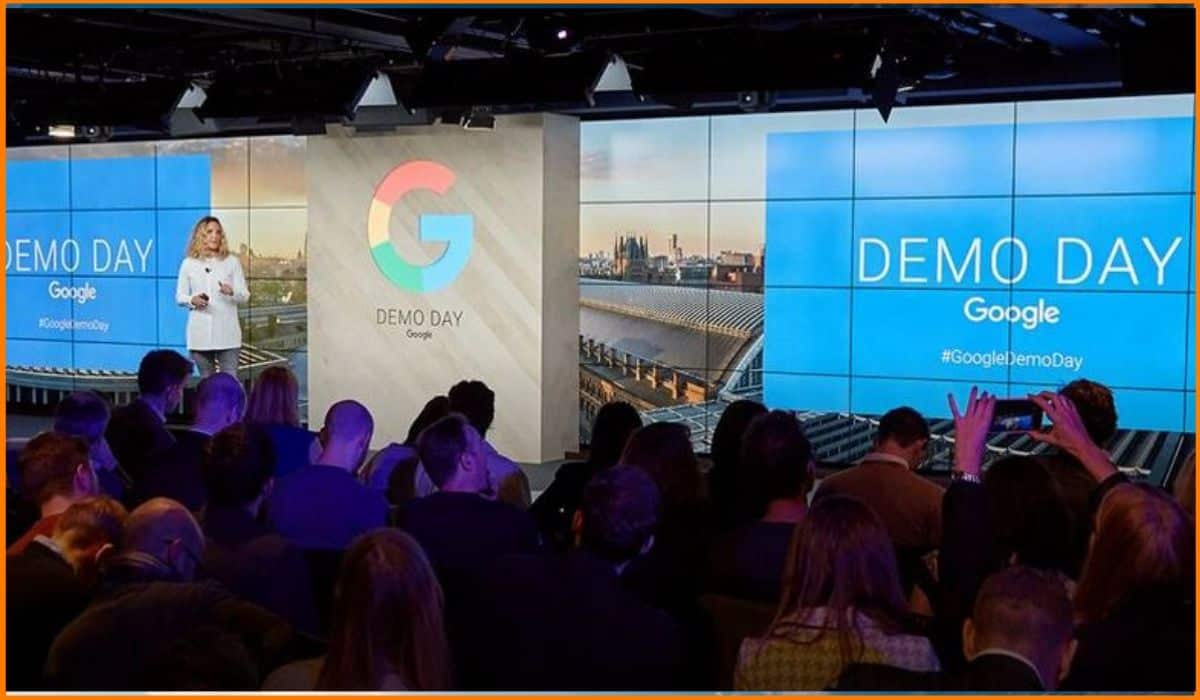
    Google announced the names of 10 startups from 10 countries selected for Demo Day Asia hosted by Google for Entrepreneurs in Shanghai on September 20, 2018. the tech giant. Google has brought a group of well-founded and investable companies from around the world. Out of 305 applications from entrepreneurs across the world, 10 ventures were chosen as finalists. Good news is that an Indian startup SigTuple has managed to outshine the flock.

    This international startup pitching event, Google Demo Day, being organised for the first time, will provide a crash course to selected early stage startups. Also it will provide them mentoring to help sharpen their pitch, which will later be delivered to venture capitalists and other investors from Google’s entrepreneurship network.

    The startups selected are  from India, Indonesia, Sydney, Japan, Pakistan, China, Bangkok, Hong Kong, Singapore, and Korea. They are working across sectors such as agriculture, entertainment, healthcare. Bengaluru-based SigTuple has been selected from India, among the selected startups. They will get funds and guidance from distinguished investors from the Google for Entrepreneurs network, China-based VC firm Sequoia Capital and Venturra Capital.

    Top 10 Startups at Google’s Demo Day Asia

    SigTuple

    Founded by Apurv Anand and Rohit Pandey in the year 2015, SigTuple aims to automate medical diagnosis in the country by creating AI solutions. Bengaluru-based medtech startup SigTuple was presented with the “Judges’ Choice” award at the Google’s first Demo Day Asia programme held in Shanghai, China. The startup aims to incorporate Artificial Intelligence in the Indian healthcare system.

    Apurv Anand, Co-Founder SigTuple, thanking the entire team back home in a statement said,
    “It’s really wonderful to be recognised at the first Google Demo Day Asia! This one is all for our team back home. This award is dedicated to the entire SigTuple family.”

    The startup’s flagship programme and AI-driven platform- Manthana, helps to study visual medical data efficiently such as analysis of peripheral blood smears, urine microscopy, semen, fundus and OCT (optical coherence tomography) scans and chest X-rays.

    Marham

    Marham is Pakistan-based healthtech startup founded in 2015 by Asma Salman Omer. The digital healthcare platform bagged the “Audience Choice” Award. It helps users connect with health practitioners, doctors for various medical services. The startup assists people to seamlessly search, book appointments, and consult with doctors online in three cities namely Lahore, Islamabad and Karachi.


    Also Read: Funded Indian Startups with Investors [June Updated]


    DycodeX

    Indonesia-based startup DycodeX was founded in 2014. It focuses on the development of smart hardware, embedded systems, Internet of Things for livestock farming.  The startup presented its latest developed SMARTernak that is an IoT-based smart cattle-farming solution technology to help cattle-farmers monitor the well-being and location of their herd.

    google funding
    Selected Startups will get funding from Sequoia Capital 

    FreightExchange

    Australia-based FreightExchange was founded in 2014 by Cate Hull and Martyn Hann. This online logistics platform offers freight carriers to sell their unused space to shippers. Its solution provides a simple, automated way for carriers to connect with shippers allowing people to manage freight services.

    GITAI

    Japanese Robotech startup that specializes in building humanoid robots that can help humans conduct scientific experiments in space. The Avatar robot will be placed at the International Space Station and controlled with a Virtual Reality Head-Mounted Display (VR HMD), a motion capture suit and a haptic glove.

    OneStockHome

    Thailand- based OneStockHome was founded in 2009 by Anawach Kimhasawad. OneStockHome offers an e-commerce platform for construction materials. The platform offers a seamless shopping experience for users, offering them the best products at the lowest cost. With the help of dropship method, contractors can efficiently deal with different suppliers.  

    Origami Labs

    Hong Kong-based Origami Labs was founded in 2011 by Emile Chan, Marcus Leung-Shea and Johan Wong. Origami Labs makes voice-powered smart rings that allow people to hear and send text messages without taking out their phones.

    Miotech

    China-based MioTech was founded in 2016 by Jason Tu. It is an AI-based platform that empowers financial institutions to better manage and draw insights on their data. Shanghai headquartered fintech startup is developing artificial intelligence-based software for financial services firms.


    Also Read: List of Angel Investors in Mumbai [With Contact]


    SkyMagic

    Singapore-based SkyMagic was founded in 2015. SkyMagic produces drone swarming technology for live entertainment and traffic management systems. Drawing on years of experience in the live entertainment market, its agile team delivers a full turnkey service to ensure quality and excellence throughout a project.

    Swingvy

    The Korean startup Swingvy founded in 2016 by Jin Choeh, Kit Hoong. Swingv aims to assist the office-workers through modern HR automation technology by revolutionizing HR practice in Southeast Asia. Swingvy aims to replace paperwork or spreadsheets and help customers to manage all their HR in one place.