Buy Now Pay Later – It’s convenient, accessible, and consumer-friendly. But, is there more to it?
India’s BNPL market is estimated at around $3 billion as we write this, but, it is about to explode if data science is to be believed. The predictions hint that it will be among the top 10 fastest growing market sizes in India, and in just 4 years, it would be at $45 billion!
For an industry that big, regulation has to be fail-proof.
In a recent directive, the Reserve Bank of India (RBI) has made it clear it doesn’t trust these BNPL companies. RBI has decided to look deeper into their business models and how they extend credit lines via Prepaid Payment Instruments (PPI) to their customers, when there is a clear lack of…almost everything: Transparency, Administration, Licenses, and above all, A SYSTEM!
To be clear, RBI hasn’t come down cold on just BNPL, it is looking at non-bank fintech lenders and even smaller banks that use PPI to load their wallets or extend credit lines.
But, wait, let’s take the story right from the start. Too many questions, right!
What is BNPL? What is PPI? Why is the RBI up on its case? What does it look like for users?
What Is BNPL?
To begin with, the idea of buying now and paying later isn’t so new. You may be surprised to know it all began in the late 19th century when businesses around Europe started extending loans to industrialists. These loans were material-based. Industrialists had the option to buy goods and pay for them later. Of course, in this model, they had an interest rate.
In the early 21stcentury, fintech providers made “Buy Now Pay Later” a digital facility.
In the way BNPL goes around now, there is a no-interest period today. Buy Now Pay Later is a scheme where a consumer, such as yourself, can purchase an item without paying for it instantly.
Though you will be required to pay back, it gets easier for those who don’t have cash. Instead, you get to divide the cost of the goods in the form of an easy installment or zero-interest loan.
The payments can be made within 90 days, unlike conventional loans that go on for years. Now, if you settle the payment within the pre-decided time frame, you pay no interest. But, if you cross it, yeah, there is going to be a penalty on the overdue.
This is the basic working of the BNPL utility.
BNPL has made quite a mark. 60% of people making purchases online have used BNPL services. Major players in India include Jupiter, Ola Pay, Postpe, ZestMoney, LazyPay, and Simpl.
Their data show that most of their users are 18-25 years old. The millennial generation made up to 20% of the BNPL users. In 2021, ZestMoney published a report saying that their millennial users increased by 2x, and their GenZ customer base grew by 3x during the pandemic alone.
What Is So Tricky About BNPL?
Debt
Even though BNPL is marketed insidiously as a convenient paying option or a way of life, BNPL is still a debt. When you opt for BNPL, most financial institutions open a loan account in your name. This loan account is added to your credit history.
Credit score
Once a loan account in your name is opened, this small debt is added to your credit score. If you default on a single payment, it will go into your credit history. This could affect your credit score and loan-taking ability too.
Regular shopping via BNPL is a ticking bomb
The BNPL scheme was introduced to capture a market of 300 million households in India, which did not have the credit score to afford things.
Tier 1 and 2 cities saw more men spending on fashion and lifestyle while women used BNPL for upgrading their electronics and education. During festive seasons, BNPL services were used 10x more for purchasing smartphones, electronics and fashion.
Transactions through BNPL services increased by 200% during festive seasons on apps like Amazon, Myntra and Flipkart. Surprisingly people also paid for their travel costs through BNPL services.
How Customers in Different Cities Spent Using BNPL
When almost everything is purchased with an option to pay later, we run into a liquidity freeze. We also run into more chances of late payments and bad credit scores.
High-interest rates
If you default in payment of this loan, apart from your credit score getting affected, you will be liable to pay interest of about 30% to 45% per annum.
Spend more
The Buy Now Pay Later scheme makes you purchase more items by spreading the installments out conveniently over months. Even though these installments are easy to pay, you still pay a higher extra cost. An alarming 59% of BNPL users admitted that they spent more by using the services.
Young users
Most of these BNPL companies have young users with no credit score. No one in the credit market will give them a loan; therefore, BNPL is the only way to purchase what they want.
What makes this worse is that most of these BNPL users do not have a job to pay off these loans. They are likely to default or go under major financial stress. This is reflected in the 5% default rate of payment for ZestMoney, a top BNPL market player in India.
Inflation
No one realises that a BNPL utility might as well have a floating interest rate with it. A fixed interest rate doesn’t change for the tenure, irrespective of RBI’s repo rate. However, floating rates do. An increase in inflation will increase the interest rates. This could impact the loan bearers negatively.
Lack of transparency
Most firms are opaque in their loose regulations to get more customers. For instance, take the interest rate: is it floating? Is it fixed? In fact, take the recent RBI directive. No BNPL issuing lender has officially declared the ongoing probations and how they plan on complying. It is estimated that these new rules will impact 8 million users in India, who are yet to hear a plan to course-correct this.
How Often Customers Used BNPL Services in 2021
What is PPI?
Prepaid Payment Instruments are essentially cards, wallets, or any other avenue where you could store your money, and later use it for shopping, remittance, and even investments.
Now, the problem with using credit lines to load your PPI is that the customer doesn’t really have that money.
But, they can spend it! they can also default payments that he/she has to make to the credit provider. This creates a gap. Hence, the RBI directive.
So, is this a bubble waiting to burst?
Conclusion
Well, history would point out that BNPL has been a mess in the past as well.
A tragic example of the BNPL scheme was the 2002-2008 market crash in America. Many people were offered house loans at a 0% interest rate during these years. The policy-writing and interest regulations were dodgy, and the result was that borrowers defaulted and ended up without houses but with loans to retire.
The RBI tightening its fists against loose financers is a step in the right direction if it meets execution without much ado.
FAQs
Is BNPL available in India?
Yes, the BNPL model is available in India and has gained massive popularity since it was introduced in India. many consumers are purchasing smartphones, electronics and fashion products.
What are the risks of BNPL?
High-interest rates, lack of transparency, overspending, and huge debts are some of the risks related to BNPL.
Why is Buy Now Pay Later so popular?
Consumers prefer BNPL as they can buy their favourite products without worrying about paying the money upfront.
Owning a home is the pinnacle of life’s achievements for most people. In the early days, it used to be a near-impossible goal to reach. Today, in the era of flexible equated monthly installments (EMIs), achieving this goal is much simpler.
However, these EMIs are a double-edged sword. On the one hand, you get an easy way of paying back your housing loan, but on the other hand, you may get overwhelmed by this monthly payment that you have to pay every month. And this is true even for the best PNB home loan in India.
EMI Explained
EMIs give you the luxury of paying back your loan amount in comfortable installments over several years. The repayment period (the tenor) will determine the amount you pay as EMIs each month.
Once your loan gets sanctioned, your lender will issue an amortization schedule. This schedule gives you information on the amount of the EMI and a year-wise breakup of your balance loan amounts.
Calculation of EMI
The calculation for a home loan EMI is complex, and we use many variables to arrive at the final figure.
The main determining factors of an EMI are the principal, interest, and tenure of the loan. The dominant component of the EMI is the interest due to the high value of the principal. The interest reduces as the loan gradually gets paid off.
The EMI uses these variables, but the value of the EMI remains constant at all times.
Formula for EMI
The formula that lenders use to derive the EMI of a home loan is as follows:
E = [P x R x (1+R) N]/[(1+R) N-1]
Where:
E = EMI
P = Principal amount
R = Monthly interest
T = Tenure
N = Number of months
So, for example, a loan for 20 lakhs at 7.5% per annum and a tenure of 240 months (20 years) would generate an EMI of:
EMI = (20,00,000 x 0.00604) [(1+0.00604) 240/ (1+.00604) 240-1] = INR 16,112 per month.
(Where R = (7.25/100)/12 = 0.00604)
Benefits of Home Loan Calculators
Even for the most adept people, calculating the EMI of a home loan using the above formula can be quite overwhelming. But knowing how to calculate your EMI by changing the variables can help you get the best deal and most suitable home loan in India.
You check the different EMIs by varying the numbers in seconds with a home loan calculator.
Calculate Your EMI
You can get the exact EMI in seconds by using the PNB home loan calculator. It puts the affordability factor in a better perspective. By changing the numbers, you can arrive at an EMI that suits your budget.
For example, increasing the tenure to the maximum limit can considerably reduce your EMI.
See Your Interest
You might be interested to see the extra amount you will be paying over and above the principal (interest). EMI calculators give you that figure.
Loan Comparison
An EMI home loan calculator helps you compare loans offered by different lenders.
Plan Your Tenure
You can see how the EMI differs according to different tenures. It is a great facility for long-term financial planning. If, for example, you can pay higher EMIs, then you can choose a shorter tenure and finish your loan sooner.
See Your Amortization Schedule
You can see the breakdown of both components of our loan, which gives you a clear picture of how your interest reduces and the principal increases. Although lenders provide this information, a housing loan calculator gives you access to it at all times.
Using the PNB Housing Loan EMI Calculator
PNB Housing Ltd brings you a convenient EMI calculator. Using this handy tool, you can get all the information about your housing loan even before it gets sanctioned. Here are the steps to use the PNB housing loan EMI calculator:
Enter the principal amount
Key in your chosen tenure
Add the interest amount in the relevant field
Once you enter these three variables, you get the figure of the EMI you will have to pay each month. The beauty of this calculator is that you can add different permutations and combinations to find a housing loan that is best suited to your requirements.
Conclusion
PNB Housing Ltd provides you with all the tools to make your dreams come true with a housing loan from them. Using the PNB home loan online EMI calculator puts things in perspective. It makes applying for a loan and getting it approved an easy and stress-free experience.
The world we live in is called digital for a reason, from Artificial Intelligence to social media; everything is possible because of Technological Advancement. These technologies have created such a way that there is hardly anyone who is not connected to them.
With new technologies getting invented every day, digital means of payment have become the new normal in this decade. Now, banking is a very significant part of our life. Thanks to banking we are enabled to have our money saved in a bank account and it provides safety to that amount. Plus we get our salary credited there. Not only that, banks also lent money to individuals and businesses.
A couple of years ago, using a virtual bank seemed like a scene from a sci-fi movie but now, it’s a reality. The definition of payment has changed; with the help of technology transferring money from one account to another is possible through the internet itself. Thus, the way of banking has also changed; we can get the facility of a bank without a requirement of one. In India, Fintech platforms are now setting their eyes on a certain industry and that is called the Neobanks.
“Banking is Necessary, Banks are Not.”
― Bill Gates
In this article we will find out about the Neobank industry in India and its future, So let’s dive in.
Neobank is a bank that is digital and doesn’t have any branches physically. It is completely online and they entirely focus on providing every facility of a bank like money transfers, financial solutions, and money lending through mobile phones.
In India, Neobanks doesn’t own bank licenses and hence rely on bank partners for providing banking services to its customers.
With the increase in the process of online banking and the acceptance of digital payments, Neobank is becoming a new trend in the country. These new-age banks provide good customer service and are very much customer-centric. Neobanks strive to offer a personalized banking experience to their customers based on analysis of customer data and behavior.
Being fully digital, Neobanks saves the costs of maintaining physical branches which lets them invest more in enhancing customer experience, and helps them maintain better margins.
Not just retail customers, Neobanks also has a lot on offer for small and medium businesses. From payment gateways to billing software, Neo Banks helps businesses manage their finances better.
Advantages Of Neobanking
People prefer Neobanking for various reasons. Some significant advantages of neo bank are –
Creating an account in neobank is much easier than creating a physical bank account. Just following some simple steps one can create their account from anywhere and anytime through their mobile.
International payments are possible through neobank card, while a traditional bank debit card doesn’t provide that service initially, we have to request an international debit card for global transactions.
Neobanks are user-friendly and are designed to fulfill the demands of the customers. Neobank apps are very easy to use for customers
Every transaction made through Neobanks is updated immediately on the app.
Covid-19 played a huge role in intensifying the digital banking methods amongst the customers. As per Statista, the number of users in the Indian Neobanking segment is expected to grow to 17.11 million by 2026. The increasing popularity has caused an increased number of neobanks in the country. Currently, there are around 27 neobanks in India. We have listed below the top 5 Neobanks of India.
It is considered one of the largest neo banking platforms. From small to big businesses and individuals enjoy Instantpay’s neobank service. Founded by Shailendra Agarwal, this neobank process millions of transaction per day. It is easy to use and can be operated from mobile and the web. Instantpay’s partners are ICICI Bank, Axis Bank, IndusInd Bank, and Yes Bank.
FamPay
FamPay Website
This neo banking app is specially made for teenagers. Of course, supervision from their guardians is to be done. Their main aim is to make teenagers empowered and independent by encouraging them to make decisions regarding their spending. Fampay offers a numberless prepaid card that lets teenagers and minors make payments both online and offline.
This app is founded by Kush Taneja and Sambhav Jain in the year 2019 and is used for basic payment for Zomato, Netflix, Swiggy Amazon, and many more. Its banking partner is IDFC Bank.
Jupiter
Jupiter Website
This neobank service was founded in the year 2019 by Jitendra Gupta and Vishnu Jerome. This neobank provides the customer with an option to monitor their money spending pattern and doesn’t have any hidden fees. It does have a calculator that lets the customers watch on their financial health. Plus it gives out lots of rewards as well. Jupiter’s banking partner is Federal Bank.
Open
Open Website
This neobank helps businesses say goodbye to all those hassles while opening a bank account. This was founded by Ajeesh Axhuthan, Anish Achuthan, Deena Jacon, and Mabel Chacko in the year 2017. Open helps startups and businesses with banking, payments, and accounting. It also gives out a business credit card.
Razorpay
Razorpay Website
Razorpay is the first neobank to enter the club of Unicorn. Razorpay is designed for businesses. It was founded in 2014 by Harshil Mathur and Shashank Kumar and has served over 10 thousand businesses.
Razorpay’s product suite makes accepting, processing, and disbursing payments easy for businesses. Razorpay offers RazorpayX, a service through which registered businesses can not only easily open current accounts, but can also automate bank transfers, get quick access to capital, do payroll automation, share invoices with customers, and pay taxes and also view financial reports from a single dashboard. Razorpay’s current account gives out features like chequebooks, debit cards, and account statements. Razorpay’s banking partner is RBL Bank.
However, one can take the Razorpay advantage even if his business is unregistered. Razorpay lets its users access all the payment modes like credit and debit cards, net banking, UPI, and Mobile Wallet. Freelancers, small businesses, and individual service providers can easily collect payment via Razorpay by integrating Razorpay into their website or app. They can also create payment pages, payment links, payment buttons, QR codes, collect recurring payments, make vendor payments, generate invoices and do much more with Razorpay.
In 2019 Neobanks raised $90 million in India. People are getting more familiar with digital financial services and with all those facilities prefer them over others as well. Although RBI doesn’t provide licenses to virtual banks, they collaborate with physical banks and let the customers use their services. In the last three years, India witnessed a steep rise of neobanks and with the trend, it is only going to rise in the coming years.
Conclusion
The world is witnessing a change that is revolutionary, everything is turning digitalized. It wouldn’t be wrong to say that the entire world is being ruled by the devices that we carry in our pockets.
With almost every service available digitally, the tech-savvy generation is indulging themselves in it enthusiastically plus the older generation is being a part of this change.
Banking, which is one of the most important parts of our lives, is now available without physical branches, thus this boon of technological advancement is making life a lot easier.
FAQ
What is neobank?
A neobank is a virtual bank that operates entirely online from customer onboarding, to availing the simplest banking services.
Which is the best neobank in India?
RazorpayX, Fampay, Jupiter and Instantpay are some of the top neobanks in India.
Nothing can change the fact that we all enter into a business to earn money. Setting up your own business is not easy. There are many things one has to cover before they can get their business up and running. One of the critical components of every business is the initial investment. Irrespective of the kind of business you intend to start.
There is more to investments than just the investment. People become so desperate for profits that they overlook that business is solely dependent on the outside market. But before moving on to the gains, one has to ensure a sufficient cash flow required for sustaining the business. Every business entrepreneur knows the importance of not letting their cash flow become stagnant.
As a result, they are always looking for methods and strategies that will help improve their business cash flow. In this article, we will walk you through the different ways using which you can significantly improve your business cash flow.
As a business owner, you understand the importance of staying on top of your cash flow to keep your business sustained. But what exactly does cash flow mean? In simple words, cash flow refers to the net amount of money flowing in and out of a company.
Every organisation’s success is mainly dependent on how positive its cash flow is. A positive cash flow is when a company brings in more money than it sends out. The cash that goes out of the company generally consists of debts and other expenses.
Ways To Improve Your Business Cash Flow
In order to sustain itself in the business industry, the key ingredient is to always keep positive cash flow. Staying on top of your cash flow allows you to see the broader picture, wherein you will be able to scope out areas of improvement and work on the same.
Opt For Leasing Instead Of Purchasing
Your business’ daily expenses are going to be divided into different categories. All these categories will be required to be fulfilled whenever they are due. Apart from that, every business needs some money in hand for day-to-day operations. This includes supplies, types of equipment, and your entire workplace. In such cases, opting to lease all these things will leave you with enough money at the end of the day.
When you lease, you pay for the leased commodity in smaller increments from time to time. This saves you from spending all your money at the same time. Leasing is a proven way to help increase cash flow. Moreover, since lease payments come under business expenses, they can always be written off your taxes.
Buying, on the contrary, will cause you to spend all your money at once, leaving you with little to nothing when in need. Therefore, unless your business is booming with cash, it is always better to lease instead of buy.
Create A Cash-Flow Forecast
In order to sustain, every business must have a positive cash flow. This means the company should bring in more money than it sends out. To determine whether you have a positive or a negative cash flow, you need to first create a cash flow forecast. There are several benefits to a cash-flow forecast.
For starters, it gives you an estimate of the company’s total money and spending in a year. Next up, you get a clear idea about the surpluses and shortages. With all this information at hand, you are better prepared when it comes to making decisions about new purchases or borrowing new facilities.
Cashflow Forecast Template Example
A cash flow forecast is a vital tool for every growing business as a forecast helps predict profitability and determine the company’s future cash flow situation at the same time. Moreover, this allows business owners to have increased flexibility, higher efficiency, and the ability to map out more and more potential growth opportunities.
Better Terms And Prices With Your Vendors/Suppliers
Being in a business is more like being in a relationship as both these things depend on the give-and-take policy. But in the case of businesses, you first need to give a whole lot before you can reap its benefits. This includes taking care and keeping your vendors/suppliers happy. Keeping these people happy primarily includes building a long-term relationship with the team.
Once you have taken care of this, the next part includes maintaining the relationship. Otherwise, you’d just be overspending on things that you know aren’t going to last. To do so, you will need to set up better terms and conditions for both parties.
In terms of suppliers, you can negotiate favourable prices for both you and them. One of the common practices is asking for bulk inventory rates. If your suppliers allow for bulk inventory rates, you are likely to score more discounts, lower pricings, or other better terms of trade. Establishing better terms and prices with your suppliers can help you drastically cut down on costs and boost your cash flow.
Encourage Your Customers To Make Early Payments
One of the primary reasons why your business’ cash flow isn’t improving or has become stagnant is because of pending payments from the customers. The majority of the businesses right now are awaiting huge a chunk of payment from their respective customers.
Know that the sooner you receive your payables, the better your cash flow becomes. To make this possible, you have to implement different ways that will encourage your customers to make early payments on their purchases.
Immediate Invoices
To begin with, start sending out invoices immediately after a particular order is dispatched. Ensure the invoice is easy to read and the terms are clearly stated for the customers to understand. An invoice with a due date and a late penalty charge is bound to get the customer’s attention. Finally, layout clear instructions regarding the different forms of payment accepted.
Early Bird Discounts/Incentives
Everyone enjoys getting a little extra for a little less. You can offer incentives or other suitable rewards for customers who make early payments by banking on this principle. If you have customers paying their bills ahead of time, it creates a healthy situation for your company. In return, you can surprise them by adding a suitable incentive or taking a little off the top.
Set Up A Quick-Payment Option
While the whole world goes digital, you can’t afford to stay behind. The 21st century demands you to be swift in your actions. A quick order dispatch requires a fast payout.
Waiting for a cash payment or a bank transfer can be a tedious task. And by tedious, we mean it means more waiting on your end. As an alternative, you can look to set up a quick payment option that will help save valuable time and allow your consumers to transfer money with ease.
Cost-Cutting
The outbreak of the pandemic has been tough on all of us, especially in the business sector. As the world slowly rises from its slumber, businesses find it difficult to keep themselves afloat.
If your company too has suffered or slowed down during COVID, then you may want to look at cutting down on costs. Cost-cutting is a technique that is implemented everywhere globally.
It generally includes taking stock of your inventory and dumping things you have been paying for but do not need. For example, if you are in the restaurant business, you can look at replacing the majority of your glass utensils, such as glassware and cutlery, with plastic to help save on costs.
The best way to find out which expenses you can cut out is by taking stock of everything there is. Are there any services you are paying for but aren’t using? Or are there any insurances you no longer need? Is there excess stock of which you have zero need?
These are some things you cannot track while you’re manning your everyday business. But taking the time out to take stock and complete this admin task will put you better financially.
Conclusion
Whether it’s a small retail shop or a full-fledged business in the clothing industry, everything has a parameter based on which you can track your success. A healthy cash flow is one of the vital parameters that indicates you have a healthy and highly efficient business at hand. You can use either of the strategies mentioned above to increase your current cash flow.
Note that your business does not solely depend on these strategies when it comes to increasing the cash flow. You need to club these techniques by making the right decisions concerning your customer servicing, marketing, product development, and sales acquisitions. All these things in combination will give you a healthy business setting that comprises a cash flow that is only improving by the minute
FAQs
Why should a business always have a cash flow forecast?
Creating a cash flow forecast helps keep you on top of your finances by allowing the following things,
It gives you a quick estimate about when and how much collectables you are going to receive or spend.
It gives you complete visibility of your company’s finances.
Allows you to correct your course at any point in time.
It helps improve the accuracy of cash inflow and outflow.
It saves you from manually inputting the payment data every time.
It helps keep sight of both your short and long-term investments.
What are the ways of improving cash flow?
Apart from the ones mentioned above, the following are some of the ways using which you can improve your cash flow.
Establishing a healthy relationship with your bank.
Follow up with your customers after dispatching the invoice.
Payment extensions.
Use your credit card strategically.
Increased prices.
High-interest savings account.
What is a negative cash flow?
A negative cash flow is when your company spends more money than it earns. A negative cash flow is an indicator of an inefficient business.
How often should you update your business plan?
To update your business plan, you must keep reviewing it from time to time to ensure you anticipate all the trends and challenges in the near future.
A Chartered Accountant can guide you not only to prepare your taxes and other regulatory standards but at multiple levels of business formation. Their knowledge of key corporate areas such as laws, accounting and taxation, contracts, and so on can be invaluable when strategizing, applying for bank loans, maintaining accounts, installing software, determining subsidies, and so on.
As a result, discussing with a CA while strategizing a startup can be extremely useful as it enables one to gain insight on key issues early on instead of being stuck later. CA professionals in India can assist you in developing the ideal accounting framework for your business.
A CA can forecast fiscal estimates based on analyzing the industry for a similar item and the government’s tax regime due to his/her knowledge and experience. They can use the key players and in-depth insights to assist their customers in increasing their profitability from the start.
Corporate Formation and Legislative Framework
There are numerous forms of registration, such as corporate entities, LLPs, or businesses, as well as sole traders or proprietorships. Each is governed by a separate law. Registration is subject to various regulatory laws, ensuring compliance, and tax rules, which a CA can effortlessly explain and help you determine what is the right approach for your business.
You must register your business with the Companies registry as a component of the startup authorization phase if it’s a Private Ltd. or LLP or simply a partnership. Filling out forms and giving details to the Ministry of Corporate Affairs to initiate your business legally is also part of the startup registration. As a result, a CA or a virtual CA is the ideal advisor to assist you with the registration.
Furthermore, if you’re starting a Private Ltd. Firm, you’ll need documents like the MOA or AOA, and if you’re starting a partnership or LLP, you’ll need the Alliance deed. CA can create such documents skillfully.
Accounting and Financial Assistance
To fill out the necessary paperwork and register the firm, a startup involves careful accounting and financial assistance. As a result, a CA can assist you in managing your firm’s stock holdings, cash flows, forecasts, and financial records.
The CA is necessary for startups that want to enroll as a Private Ltd. Firm. They will assist and will also record all of your stock ownership info and money transfers as needed for a Private Ltd. Firm.
Aid You in Obtaining Finance or an Overdraft
Realizing that a CA is in charge of your paperwork and loan approval process improves your probability of gaining credit. They will be aware of all aspects your bank may have about income and expenses forecasts and can help you choose the right loan and rate of interest.
How Can a CA Help Your Firm Sustain Itself?
When a startup begins to hire, a CA is essential. As a manager, you could begin with as few as 1 or 2 staff. However, it is vital that you adhere to all tax regimes for your teams, such as TDS, Labor Regulations, and Salary Clauses.
A CA can be your ultimate source, helping you comprehend salary payable modes for your staff, as well as the dos and don’ts of declaring payouts to lawfully save taxable income.
They can also help you with the company’s income estimates, predicted financial statements, or project reviews that you might need when filing agreements or applying for finances. Thus, in today’s technologically advanced world, taxation and laws governing business operations are critical and must be strictly adhered to. It is critical that you document standard tax returns by the Ita. As a result, a CA can assist you with a variety of compliances and filings.
As your company expands, so will your accounting books. It is critical to adhere to classic financial reporting to keep all card payment systems intact. A CA will provide you with proper guidance and handle your acct book following the required standards.
Furthermore, as your firm grows, you will be bound to keep track of your records for filing with the IRS and yearly reporting with the company’s registry. If your company’s attrition reaches a certain limit, you will undoubtedly require the services of an accredited auditor to report your ITR returns & conduct tax audits.
Another required conformance filing is a process that must be abided by all businesses, large and small. It is also vital to comprehend your financials, which is primarily the responsibility of a CA. As a result, it is critical that you select the ideal CA from the ranked CAs in India for your firm to profit and work efficiently.
Should You Hire a CA?
Good counselling and advice define the progress of a startup from conception to verification, whether your firm is registered or not. After investing heavily, it is critical to managing your book of accounts for your firm to thrive. Thus, as your firm progresses ever since its registration and onset, a skilled CA will not only deliver you proper accounting records of your firm but will also assist you in understanding the stock ownership and investment structure in your firm.
A decent virtual CA, accessible 24/7, is needed to inform you through all levels, be it paying the due taxes as per Income Tax rules or rescuing the firm from any undesired taxes. A CA can assist you in understanding all other statutes’ rules, statutory provisions, your firm’s policies, and work history.
You can also hire a virtual CA. While there are many virtual CAs, it is critical to pick the suitable one. Because CAs oversee critical parts of your business, it is always advisable to hire the best online chartered accountants. Having several CAs can wreak havoc on your books.
Although you may pick the finest from the shortlist CAs in India, it’s a good idea to pick virtual CAs who are available 24/7 and are also cost-effective. As a result, hire a CA from the first day you intend to register your official company to the day you put your vision into action.
Chartered accountants entities can also assist you with complex tax provisions that, if overlooked, can result in significant penalties. They will also portray your lawsuit in front of tax officials and courts at your behest. They can provide you with any information you require regarding such formalities.
Furthermore, they help you in a variety of business areas such as obtaining a digital signature, guiding you during an official review of your firm, alerting you before any disparity is discovered by the assessor or tax supervisor, govt grants and sanctions, and so on.
In conclusion, a CA can help your brand prosper, so consulting with a CA is a must in the long run.
FAQs
How can a CA help in business?
A CA can help you reduce taxes, manage your finances, prepare a business plan, and can help you connect with other established businessmen.
What is the role of CA in a startup?
A CA helps a firm to increase its profits and assists the firm in registration and filing taxes while the founder focuses on the important aspects of the business.
This pandemic was hard for everyone one of us and we all struggled to oversee discretionary spending due to unanticipated expenditures. Many people also saw a dip in their savings to fulfill the family’s requirements. So to mitigate the increased financial stress some people turned towards personal loans but how do you know if you are eligible for a personal loan or not and what variables affect her personal loan eligibility.
Here’s what you need to learn about the 5 most important factors that may influence your personal loan eligibility.
Before that let me give you the specifics of the personal loan. So, let’s dive right in!
A personal loan is a form of installment loan that provides you with a set chunk of money, typically ranging from $1,000 to $50,000, in one single payment. They are typically unsecured, which means you need not provide assets to protect funds. The repayment period can differ considerably from one year to a decade. They are used for just about anything, though some financiers may limit their use.
Making an application for a personal loan is akin to making an application for a credit card. You will be asked to input your info, financial data, and loan info. The creditor will conduct a solid credit analysis before authorizing you, which may momentarily lessen your credit rating.
If the creditor is satisfied with your fiscal predicament and creditworthiness — typically, a rating in the mid-600s is required — the creditor will ascertain your interest rate, loan balance, and provisions.
However, these days there are platforms like Zest Money that have simplified getting personal loans much easier. With Zest Money you can get a personal loan even if you do not have a credit score. Simply download the Zest app, complete the KYC, and get a credit limit that you can use to shop in over 100,000 offline and 15,000 online stores. The best part is that the Credit Limit is available at 0% interestwhen paid on time. Once you sign up for a Zest Money Credit Limit, you also become eligible for Zest Money Personal Loans that too without uploading any additional documents. Besides, you can choose your EMI plan, and repayment term, and even foreclose the loan without paying any foreclosure charges.
The most vital eligibility criterion when applying is that you are within the bank’s age cohort. Age is an important factor as it tells lending institutions about your capital adequacy and earning power. If you’ve graduated college and are in your 20s, you may lack basic monetary stability. Likewise, if you’re over the age of 60 or are retiring early, your earning power will be reduced during this time.
Candidates between the ages of 25 and 55 are usually considered by banking firms. The age thing varies from bank to bank.
Monthly earnings
Monthly Earnings
Your potential to repay debt is directly proportional to your earnings. Your revenue is a critical component of your fiscal portfolio. The baseline salary requisite, on the other hand, varies by lender. Your lending institution takes into account the city you reside in as well as the corporation you work for when assessing your earnings.
Although the main income stream is taken into account by the lending institution, having extra revenue from passive channels such as subletting out your home or rental estate can be advantageous. Having a supplementary stream of revenue can help lending institutions feel more confident that you will compensate your EMIs on time.
Credit record
Personal loans are types of unsecured debt. They don’t have any assets or security backing them up. As a result, lending institutions use credit metrics to evaluate your ability to repay.
Your credit record reveals your EMI transaction regularities in the past. As a result, you must pay your EMIs on time to avoid falling behind on your loan payments. This will have a massive influence on the elements that influence personal loan acceptance.
Debt to income ratio
Assume you work for a reputable firm and are paid well, but the majority of your earnings are going toward EMI payouts. This factor influences your personal loan qualifications. The lending institution calculates your debt-to-income ratio by splitting your total earnings by the total amount of your current debt.
If your debt-to-income rate has risen, your lending institution may deny your loan request or cost you a higher rate of interest on your personal loan. Generally, it is best to keep the debt-to-income ratio below 50%. A higher proportion of this component increases the danger of nonpayment.
Stable employment
Employment
When approving a personal loan, your lending institution considers your total professional experience as well as your present employment status. If you work for a well-known company and have a consistent stream of revenue, your lending institution deems you a lienholder with stable employment.
If your manager has a background of late compensation or is not economically solvent, the lending institution may deny your request. This is attributed to the reason that these variables influence the potential to reimburse your personal loan.
Pros and Cons of Personal Loans
Pros of Personal Loans:
Personal loans can be used for a variety of purposes. They are used for a bunch of uses, including travel costs, medical bills, buying new accessories, gadgets, and even home/car upgrades.
Personal loans are available very quickly. In certain instances, the loan can be obtained within 24hrs. So, if you need emergency money, personal loans are your safest choice.
When contrasted to a mortgage payment or a car loan, personal loans usually do not necessitate as much paperwork. As a result, the handling time is reduced.
No need for security to acquire this loan, and the credit period is much smaller than that of a home loan or a car loan. In comparison to other loans, this carries less peril for the applicant because if you seem unable to pay back, your security is voided. Your assets are secure because personal loans do not require any security. This helps make this type of loan appealing to anyone who does not own any assets such as a car, a home, or stocks.
Cons of Personal Loans:
Lenders consider these to be risky since they do not require any security. These loans have extremely high-interest rates to compensate for their dangers.
Most financiers do not accept loan payments in installments. This implies you will have to repay the lender for the period of the loan. Because your first installments are used to pay interest, it can be very costly.
Because these loans are very risky, most bank requires their borrowers to have a good credit score. As a result, if your credit score is low as a result of past loan defaults, your request will be denied. As a result, the accessibility of this loan is subject to rigorous qualifying criteria based on creditworthiness.
Even banks that provide loans to debtors with poor credit end up providing reduced principal amounts and rising interest rates than those provided to debtors with good credit. These debtors are also subjected to stricter repayments.
Is Personal Loan the Right Choice for You?
If you need money quickly, personal loans are an appealing choice. Here’s how to tell if a personal loan fits one’s scenario:
You require the finances as soon as possible. Many lending institutions, particularly those that function online, can make capital available in a couple of times.
You have an excellent credit rating. Borrowers with stellar credit are eligible for the lowest rate.
You want to get rid of your massive debt. Personal loans are an excellent tool to manage and pay off high-interest credit card debt.
You will put the money toward important purchases. Personal loans can also be used to pay for large costs or to renovate your home.
Personal loans, on the other hand, are not suitable for all. They are, after all, still a debt obligation. Here are a few explanations why it may not always be the safest alternative for you:
You have a bad habit of spending too much money. Paying off your debt with a personal loan may not seem like a sensible approach if you intend to simply start accruing fresh credit card debts.
You are unable to make substantial repayments. Consider a personal loan’s repayment schedule and monthly bills. Use a personal loan calc to discern whether you can finance the monthly payments over the financing tenure.
You don’t need the cash immediately. Saving for a big settlement may make better sense than taking out a personal loan and making interest-only reimbursements for many decades.
These are the variables that portray your creditworthiness when applying for a personal loan. Lending institutions mostly take this into account when determining your qualifications for a personal loan and the rate of interest. As a result, it is advisable to confirm the prerequisites of your ideal lending institution beforehand to obtain a reasonably priced personal loan interest rate. Also, do check the pros and cons before you decide to apply for a personal loan.
FAQs
What are the eligibility criteria for a personal loan?
Sufficient monthly earnings, good credit records, and stable employment are some of the eligibility criteria for a personal loan.
What is the minimum salary required for a personal loan?
Most banks set a minimum salary limit of Rs. 15,000 – Rs. 20,000 per month for a personal loan.
31st March has just passed. Was the last month of the gone financial year full of a hassle for you? Do your last-minute tax-saving plans always lead you to invest in the wrong instruments? Well, if your answer is yes, you are at the right place. In this blog, we have brought you tips on how to organize your personal finance in the new financial year.
A book named “Personal Finance” written by E. Thomas Garman and Raymond Forgue defines Personal Finance as the study of resources, both personal and family, that can be considered important from a financial perspective. It involves spending, saving, protection, and investment of these financial resources.
Financial freedom is available for those who learn about it and work for it. – Robert Kiyosaki
Key Aspects of Personal Finance
The reason most people fail in making a successful financial plan is a lack of awareness. Although people make a lot of effort while managing their finances, they often overlook important areas. In this section, we will discuss the 5 key aspects of Personal Finance.
Saving
Warren Buffet has said “Do not save what is left after spending, but spend what is left after saving. This is indeed a great piece of advice. You cannot predict when the financial crisis will hit you. Therefore, it is better to remain prepared.
Savings help you to keep calm in such situations and look for a solution. As per experts, your optimum savings should be equal to your six months expenses.
Earlier, the most preferred option for savings was a “Saving account”. However, recently a lot of people are moving towards debt instruments such as liquid funds for saving.
There are a number of reasons for this shift. Foremost, Liquid funds have minimal credit and interest risks attached. Further, you can easily withdraw money in small time. Also, though there is no guarantee, these funds provide you with better returns than your savings account.
Investing
Investing
As Benjamin Graham said, “Successful investing is about managing risk, not avoiding it”. Many people confuse saving and investing to be the same. Well, they are not.
While investing, you are actually using your money to make more money. There are plenty of investment options available in the market such as mutual funds, real estate, stock market, etc.
To choose the correct investment options organize them into short, long, and mid-term goals. The option best suited for your requirement, horizon, and time frame should be chosen.
Financial Protection
As per WHO, financial protection is the heart of Universal Health Coverage (UHC). If chosen well, it gives a safety net to you and your loved ones. The key is to ascertain prepayment and pooling of resources to save you from financial hardship.
Financial protection ensures that these impromptu situations do not hamper your savings and investment plans. Insurance is classic financial protection. Basically, four types of insurance plans are considered mandatory for an individual. They are Term insurance, Health insurance, Mortgage Protection, and Personal accident insurance.
Tax Plan
Tax Planning
You can save your tax by identifying the right kinds of investments and purchases. In India, there are almost 70 exemptions and deductions that can be used to lower your taxable income.
Section 80C and 80D of the Income Tax act may help you save a lot on your income. Under Section 80C, you can reduce your taxable income by investing in certain tax-saving instruments such as EPF, PPF, NPS, NSC, etc.
On the other hand, Section 80D allows you to save tax on the money you pay as a premium for the health insurance of you and your family.
Retirement Plan
“Planning for retirement is not something we can put off until a later date. The time to plan is now.” Here Bob Reid has correctly described the need for a retirement plan.
Unless you are planning to become a liability to your kids, you should start planning for your retirement now. This is actually because you never know when you will stop working.
The greater life expectancy and frequent inflations have further enhanced the need for a retirement plan. Investing in sources of steady income can be the best option. Life insurance annuity, rental income, and mutual funds are good options to consider for your retirement plan.
How to Organize Your Personal Finance in the New Financial Year?
Now that we know the key aspects, we are ready to organize our personal finance. We have listed tips to help you organize your personal finance in the new financial year.
1. Start Early
“Haste makes Waste”. If you have tried to plan your finances and investment in the last month of the financial year, you can certainly relate to this statement. During the last-minute rush, not just you but investors are also impatient. Thus, there are maximum chances of making a wrong decision. Therefore, it is better not to wait for March to plan your finances. Starting early helps you to make calculated decisions. Put your financial plan in place in the month of April itself.
If you wish to invest in PPF or SIPs in your equity-linked saving schemes (ELSS funds), better start at the beginning of the new financial year.
2. Plan your Budget
Living within your means is important. Plan your expenditure and savings for the next year in the beginning. Go through your previous year’s income and expenses to make the right decision.
Set your financial goals and decide your cash flow accordingly. If you have received a good bonus, try to prepay your loans, at least partially. Our income and aspirations play a major role in deciding our financial plan.
This would help you to identify your spending. So, you can strike the right balance between spending and savings. If cutting down your expenditure is not an option, try using smart spending means such as loyalty programs, credit cards, or some apps.
Try competing with your previous month’s budget. It would help you grow as a smart spender. Try setting goals and make efforts to reach them.
3. Create an Emergency fund
This is the fund that will help you take care of the unexpected expenses in “just-in-case” situations. Usually, financial experts advise keeping 20% of your every paycheck in this fund.
As per Forbes, you can create an emergency fund by simply following a few steps. They are:
Setting up a target date to start your fund.
Reallocating some amount from existing assets.
Drawing a monthly commitment.
Creating a separate account for gathering.
Channelize extra income towards this fund.
4. Determine your insurance needs
Determine Your Insurance Needs
Insurance is not only meant to save tax, rather it is a means to serve critical needs. The beginning of the new financial year is a good time to determine if you have adequate insurance coverage.
The finance experts believe that your insurance cover must be 10 times your annual income. Also, reviewing your insurance needs as per your changing life goals is important for example, if you are planning to get married, have a child, or buy a house.
As per a Swiss report, people in India are awfully uninsured. The protection gap is almost 83% wide. This means that if the Rs 100 insurance cover is needed only Rs 17 are spent by the policyholders.
To evaluate the adequacy of your insurance cover you can also use Human Life Value (HLV) tools. These tools are available online and help you assess your financial requirements based on your liabilities, increments, earning capabilities, and your age.
5. Review your investment portfolio
It is always a great idea to review your investment portfolio at the beginning of the new financial year. Track the market performance of your existing assets to understand how it has changed since last year.
Readjusting your investment strategy is especially important if you have experienced any major life changes in the last year. For example, if you are nearing retirement, you may want to invest in a good retirement plan. Evaluate your needs and invest accordingly.
6. Plan to spend your annual bonus
If you have received an annual bonus do not let the money get fritter away. Plan your spending well. For example, if you have a loan you can partially or completely prepay it. Or if you have a child try spending the bonus on good Children’s plan.
Even if you have no such liability, this does not mean you can just cross your budget and waste that money. Try channelizing it towards your savings or emergency fund. This will help you meet your financial goals.
7. Plan your taxes
Planning your taxes at the beginning is a great way to start your new financial year. It is actually a part of the financial discipline. To initiate tax planning, you first need to identify your tax slab. The tax rates are different for different levels of income. If you know your tax slab, you can easily calculate your tax outgo. This will help you to figure out your tax-saving requirement.
To analyze the scope for reduction, first, evaluate your existing tax-saving investments. This is crucial as there is a maximum limit for reducing the tax outflow.
A number of tax-saving instruments are available to choose from such as PPF, NPS, tax-saving mutual funds, etc. It is also important to distribute your tax investment across the year instead of doing it in the last month. However, it is equally important to understand that investment goals must be derived from your financial goals and not for the purpose of tax savings.
8. Limit your debts
It sounds easier said than done. Anyways who wants to remain in debt? It just happens. However, as per Central Bank, there are certain strategies to keep your debts in check. They are:
Do not buy anything which you cannot afford without a credit card.
Completely pay off your credit card balance, every month.
Focus on your needs not wants.
Plan your budget as per your financial goals and requirements.
Limit the number of cards you own.
Maintain a master sheet to track your expenses.
9. Monitor your credit score
It is almost impossible to not own a credit card in today’s world. However, it is crucial to managing your credits correctly. A solid credit report is required if you are planning to obtain a loan or mortgage a property. For this, you better pay off your balance every month or at least try to keep a minimal credit utilization ratio.
The most popular credit score these days is FICO (Fair Isaac Corporation) score. The factors that determine your FICO score include payment history (35%), length of credit history (15%), amounts owed (30%), credit mix (10%), and new credit (10%).
It is also a good idea to subscribe to credit agencies that provide you with regular updates on your credit score. This would not just help you in identifying mistakes but, also to detect any fraudulent activity.
10. Maintain financial records
It is always important to keep your financial records organized. This will help you track any discrepancies at later stages. Traditionally, a folder or drawer is used to keep all your bill and payment receipts. However, this increases the risk of missing or forgetting one or more of them.
Currently, a number of apps are available to keep track of your finances. These online services help you separate the old bills and receipts from the new ones. Also, you can set reminders for upcoming payments. This saves you from the hassle of looking through every document in your folder while trying to find one.
Conclusion
Therefore, it is important to understand the five key aspects of personal finance i.e. savings, investment, financial protection, tax plan, and retirement plan before you start to plan. Moreover, organizing your personal finance in the new financial year using the tips mentioned above would certainly help you get more out of your available assets.
Hope you enjoyed reading this article and learned something. Keep visiting for more fun and knowledge.
FAQs
How do I write a financial plan for the new year?
Start early, create an emergency fund, plan your taxes, and monitor your credit score.
Which financial plan should be set first?
Creating an emergency fund should be your priority because you never know when a crisis will hit you and you’ll be buried under debts.
What is the 50 30 20 budget rule?
According to the 50 30 20 budget rule, you should allocate 50% of your income to needs, 30% to spending, and 20% to savings.
Mahindra Group is one of the most well-known Indian conglomerate company that has its headquarters based in Mumbai, Maharashtra. The company originally called as Muhammad and Mahindra and was established in 1945 by the brothers J.C Mahindra, K.C Mahindra and Malik Ghulam Muhammad. The conglomerate is considered to be one of the well-known reputable Indian industrial company and is also a leader in manufacturing utility vehicles including tractors in India.
The company enjoys a strong presence in sectors of real estate, agribusiness, aerospace, commercial vehicles, logistics, real estate, renewable energy, etc. Mahindra employees more than 2,40,000 people across 100 different countries.
Mahindra group started its operation in the steel business, but has now expanded to 22 industries such as aerospace, agribusiness, aftermarket, automotive, construction equipment, defence, energy, farm equipment, finance, insurance, industrial equipment, information technology, leisure, logistics, retail, education, hospitality, etc in 2020.
The CEO of Mahindra group is Anand Mahindra. The Mahindra Group has a $20.7 billion dollar federation of companies that aims in enabling people to rise through innovative mobility solutions, driving rural prosperity, enhancing urban living, nurturing new businesses and fostering communities around the world.
The vision of the company is to empower enterprise everywhere and help in the growth of mobility, rural prosperity, IT, financial services, clean energy and business productivity.
In India, the company is very popular for their innovative IT solutions and reliable yet affordable automobiles. The company is so far successful because of its subsidiaries such as Club Mahindra Holidays, Mahindra Aerospace, Mahindra, Logistics Limited, Mahindra Lifespace Developers, Mahindra Electric Mobility Limited, Tech Mahindra, Mahindra & Mahindra Financial Services Limited and Mahindra & Mahindra Limited among others.
Mahindra Group started out as steel trading company more than seven decades ago, now it is a global brand spanning in various industries in more than 100 countries. Earlier known as Muhammad and Mahindra, the company was established in 1945 as a steel trading company by the brothers J.C Mahindra and Kailash Chandra Mahindra and Malik Ghulam Muhammad.
Post the partition of India in 1947, Malik Ghulam left the company and the country to immigrate to Pakistan where he became the first finance minister. This is why K.C Mahindra changed the name of the company to Mahindra & Mahindra in 1948. The company became a leader in the steel industry as also began trading steel with UK suppliers. It also was the company that began manufacturing Willys Jeeps in India in 1947.
It wasn’t until 1956, that the company got listed on Bombay stock exchange, by 1969 the company had entered international markets as an exporter of utility vehicles. Mahindra started its tractor division in 1982 and a tech division (now known as Tech Mahindra) in 1986. When Mahindra group became really big and got into many sectors in 1994, the company had to reorganize, dividing it into six business units like automotive , farm equipment, infrastructure, trade and financial services, IT and Automotive components.
Mahindra & Mahindra is currently one of the largest companies in India, as it was also ranked the top 200 most reputable companies in the world by Forbes in 2009. The Mahindra group then went on launch Mahindra rise a new corporate brand in 2011, in order to unite the company’s image across all industries and countries. Mahindra group entered the two wheeler market by taking over Kinetic motors in India.
In 2011, Mahindra brought a huge stake in the REVA Electric Car Company, the same year the company also acquired SsangYong Motors which is a South Korean company. From then onwards, the company started acquiring international companies like Peugeot Motorcycles and even Pininfarina Spa (an Italian car designer), Hisarlar (a farm equipment company), Erkunt tractors Sanayi (Turkish tractor maker), among others. This is how the Indian conglomerate paved its way to become a global powerhouse.
The history of Mahindra group
List of Mahindra Group Subsidiaries
Here are listed all the Mahindra Group Companies.
Mahindra & Mahindra Limited
Founded: 1945
Mahindra Group Limited
It is the flagship company of Mahindra group which is also a multinational automotive manufacturing corporation. Mahindra and Mahindra Ltd. is headquartered in Mumbai, Maharashtra and has more than 17,577 employees from over 100 countries across the globe. It is also one of the largest manufacturers of vehicles in India and the largest manufactures of tractors in the world.
Mahindra & Mahindra popular cars
Mahindra is known for its commercial vehicles, tractors, two wheelers and even construction equipment. In 2018, the company was ranked 17th in the top companies list in India by Fortune India 500. This company was started by K.C Mahindra after he was inspired by a jeep invented by Barney Roos, which he saw during a trip to America as Chairman of the India Supple Mission. The main competitors of Mahindra and Mahindra in India are:
The company has been so successful because of its subsidiaries which manufacture and market a wide range of utility vehicles. Mahindra & Mahindra also provides farm equipment services, steel trading, processing services, financial services, infrastructure development, hospitality services, information technology services, systech among numerous others.
Mahindra Finance is one the top tractor financers in the country as it provides various different financial products to its customers. The company so far has over 4.7 million customers and more than 1200 offices which is spread all across the country.
Mahindra Finance started its first branch in Jaipur in 1995 and began financing non Mahindra vehicles in 2002 and then went on to finance commercial vehicles and construction equipment in 2009.
The vision of Mahindra finance is to provide financial services in semi urban and rural India, as well as transform rural lives and drive positive change in the communities. This is why the company has one branch within the reach of every two villages in India.
The product portfolio of Mahindra finance includes vehicle finance for passenger vehicles, utility vehicles, tractors, commercial vehicles, construction equipment’s, etc.
It also provides SME finance which includes project finance, equipment finance, working capital finance. Mahindra finance is also known for its mutual fund distribution, fixed deposits and personal loans that are tailored as per the customer’s needs. So far the company has over 33,000 employees and is present in all the states of India, with a footprint in 85% of its districts.
Mahindra Finance has brought about a positive change by using its subsidiaries like Mahindra Insurance Brokers Limited and Mahindra Rural Housing Finance to cater to the financial needs of millions of its customers in both rural and semi urban regions of the country. The company has a connection with its customers as, it provides them with evolving needs.
Tech Mahindra is an Indian tech company which is also one of the main subsidiary of Mahindra group, headquartered in Pune, Maharashtra. The company provides services like Information Technology (IT) and Business Process Outsourcing (BPO). The annual revenue of Tech Mahindra in 2020 was $5.2 billion, it has more than 125, 236 employees spanning across 90 countries.
Tech Mahindra has more than 988 global customers and was also listed under the Fortune 500 companies list in 2019. Currently, the company has over 973 active clients. The company provides innovative and customer centric experiences enabling enterprise, associates and the society to grow. Tech Mahindra was created after Mahindra & Mahindra started its joint venture with the British Telecom in 1986 as technological outsourcing firm.
Tech Mahindra is also known to be the fastest growing brands and amongst the top 15 IT service providers globally. It aims to provide its global customers with next generation technologies including 5G, Blockchain, cyber security, AI and much more in order to help in digital transformation. In 2020, Tech Mahindra also got in the list of India’s 50 best companies to work according to the Great Place to Work.
Mahindra Electric Mobility Limited
Founded: 1994
Mahindra Electric – Mahindra & Mahindra Subsidiaries
Mahindra Electric Mobility Limited was initially called as the Reva Electric Car Company before it was acquired by Mahindra & Mahindra in 2010.
The company has its headquarters in Bengaluru, Karnataka and is known to be a pioneer for designing and manufacturing electric vehicles in India. MEML’s first electric car REVAi was one of the most popular and affordable electric car available 26 countries in over 4000 different variations.
The company is also the first Indian car manufacturer that has travelled more than 170 million ekilometres on its fleet. The Reva electric car company (REVA an acronym for revolutionary electric vehicle alternative) was founded by Chetan Maini in 1994 as a joint venture between the Maini Group and Amerigon Electric Vehicle technologies.
The company has a wide variety of electric vehicles such as the electric sedan eVerito, the electric commercial vehicle, eSupro a van for passenger & cargo and lastly the Treo range of three-wheelers powered by lithium and ion battery. The aim of the company is to develop and produce more affordable electric vehicles for personal and commercial segments.
Mahindra Logistics Limited is another subsidiary of Mahindra group that is a leader in the sector of integrated third party logistics service, supply chain management and enterprise mobility solutions. The company was founded more than a decade ago and aims to continue providing customized, innovative and technology enabled solutions to its clients across different industries.
So far, the company has over 500 customers across sectors like automotive, engineering, consumer’s goods, pharmaceuticals, telecom, ecommerce, bulk, banking, IT, financial services, insurance, etc. It has provided transportation services for 1,00,000 plus kilometers per month and has an experienced team with strong domain knowledge.
Mahindra Logistics offers customization and end to end logistics services and solutions, right from distribution, warehousing, in factory logistics and value added services to their customers. The aim of the company is to make the logistic process from origin to end customer easier, affordable, efficient and reliable, with shortened delivery times and better provide customer satisfaction.
Mahindra Lifespaces is a leading real estate development company in India, which is headquartered in Mumbai, Maharashtra. The company was founded in 1994 and has so far created innovative projects and designed living spaces throughout the country. The company is also a pioneer in sustainable urbanization, as it aims to provide responsible, green design and development options to its clients.
Mahindra Lifespace has developed well known projects in metropolitan cities like Mumbai, Pune, Nagpur, Ahmedabad, Delhi, Jaipur, Hyderabad, Chennai, and Bengaluru. The company has so far completed residential projects of about 17.81 million sq. ft. and is working on upcoming residential projects of 7.9 million sq. ft.
It also has over 5000 acres of ongoing and upcoming projects under development at its integrated industrial clusters in 4 different locations. In 2019, Mahindra Lifespaces was ranked 17th among India’s Great Mid-Size Workplaces, by the Great Place To Work Institute.
Another subsidiary that is a leader in its sector is the Mahindra Aerospace. This Indian aerospace company is the first ever private firm that manufactures civil aircrafts for Indian Aviation market. The company is an AS9100 Rev D certified design organization and has also developed a NAL NM5 light aircraft along with National aerospace laboratories.
The company has manufacturing plants in Latrobe regional airport in Victoria, Australia and Narsapura Industrial Area in Karnataka, India. The Aeros-structure business of Mahindra aerospace is known for providing sheet metal parts and assemblies for major global aerospace and defence companies. It provides more than 350 plus programs in over 9 countries.
Mahindra aerospace has acquired stake in international aircraft manufacturers like GippsAero, Aerostaff Australia in 2009 and Australian Boeing unit in 2010. The company has also used its planes as an air ambulance, rescuing animals and putting out wildfires in the times of need.
Mahindra Holiday and Resorts India limited
Founded: 1996
Mahindra holiday and resorts – Mahindra & Mahindra Subsidiaries
MHRIL is a part of the leisure and hospitality sector of the Mahindra group that was founded in 1996. Mahindra holiday and resorts offers family holiday packages mainly through vacation ownership memberships for over a period of 10 to 25 years. The main offering of the company is the Club Mahindra holidays which is its most popular flagship brand.
The Club Mahindra has more than 260,000 members, with a 100 plus resorts in India and 4,500 affiliated RCI resorts all over the world. The company is also known to be the world largest vacation ownership brand outside America.
The company aims in enabling people to rise through innovative mobility solutions, driving rural prosperity, nurturing new businesses and fostering communities around the world. Mahindra is so successful and will continue to grow because of its numerous subsidiaries. Mahindra is also a leader in as many as 22 sectors with an annual revenue $13 billion dollar.
Frequently Asked Questions
What does Mahindra group do?
Mahindra Group is a billion-dollar global enterprise that has business in sectors such as aerospace, agribusiness, aftermarket, automotive, construction equipment, defence, and more.
What are the subsidiaries of Mahindra Group?
The list of Mahindra group subsidiaries are:
Mahindra & Mahindra Limited
Mahindra Lifespace Developers Limited
Mahindra Financial Services Limited
Mahindra Holiday and Resorts India Limited
Mahindra Aerospace
Mahindra Logistics Limited
Mahindra Electric Mobility Limited
Tech Mahindra
Who is the CEO of Mahindra group?
Dr. Anish Shah is the CEO of Mahindra Group.
Where is the headquarters of Mahindra Group?
The headquarters of Mahindra Group is in Mumbai, Maharashtra.
What is the net worth of Anand Mahindra?
The net worth of Anand Mahindra is $170 Crores.
Who is the CEO of Tech Mahindra?
CP Gurnani is the CEO of Tech Mahindra.
How many companies are there under Mahindra Group?
There are 150 companies having global presence in 23 industries under Mahindra Group.
How many employees are there in Mahindra Group?
There are over 250,000 employees in Mahindra Group.
Economics has always been an important thing for a country. You may not like the subject in your school but it is something that is super real in nature. It is basically the allocation of resources to achieve the most optimum efficiency. As the number of people grows in a country, so does the responsibility and the load to be more active and unbiased in every sphere of allocation of resources. Good allocation of resources is important because resources are finite.
If not managed well, the whole economy can just crash, however big or small the economy is. This is what we are reminded of every now and then. This unusual year brought up the news of a country getting economically unstable. The country is Sri Lanka and it is in a really serious economic condition. The people of Sri Lanka are facing extreme situations associated with their economy. This article focuses right on the same topic.
Read this article to know about what is happening in Sri Lanka and what the world is saying about it, how the country plans to get out of this tight phase and much more. Here we go,
A Little Brief About the Sri Lanka Economic Crisis
Recently, the news broke out about Sri Lanka from which we came to know that the country to the south of India is facing a financial crisis and there are fears of bankruptcy. News resources reported that Sri Lanka is in a super tight place right now and it might have extreme economical conditions in the near future.
The Sri Lankan foreign reserves have hit a record low where the commercial banks are failing to secure “dollars to finance imports of food, fuel and medicines”, as says Deccan Herald. All of these started with the outbreak of the COVID-19 pandemic, which devastated the country’s tourism sector, a pivotal industry of the Sri Lankan revenue, and also reduced the foreign workers’ remittances.
To save the country, the Sri Lankan government announced a broad import ban in March 2020. However, this backfired in the form of shooting the food prices up by 25%, as per the reports of February 2022, and has contributed to an overall inflation of 17.5%. Furthermore, the country is also facing 5-hour electricity blackouts each day because the thermal generators have run out of fuel. According to the reports, the country is still battling its $51 billion sovereign debt.
It has been heard that he Sri Lankan government had received a $1.2 billion economic relief package from India for a cure. This economic relief package, as announced by the government on January 4, 2022, amidst the ongoing forex crises of the country, ensures that the Sri Lankan government is optimistic about their future. They want to communicate that the country will not default on its international debt.
The Current Situation in Sri Lanka Due to the Crisis
The GDP of Sri Lanka over the years
Sri Lanka’s external reserves were dropped severely in November of 2021. The fall marked the external reserves to $1.6 billion. This fall triggered alarm in most of the domains and quarters of the country. Concerned people warned about this in the government. Economists and Think tank’s warned that this fall in foreign reserves will mean a sovereign default in the future.
American credit rating organisation ‘Fitch’, after the event in Sri Lanka downgraded the nation’s rating to CC. A CC rating is the lowest rating just before the defaulter tag. It is to be noted that Sri Lanka had a piling pile of feigning debt over the last few years. However, the island has never defaulted on any of the foreign debts until now.
Fitch Ratings of Sri Lanka
This downtrend in the year 2020 is seen as the record breaker for Sri Lanka. The current situation is seen as a super meltdown and has impacted the whole island. Living costs are rising impeccably, food shortages are forecasted up this year and as per the reports, Sri Lanka will likely default on the debt that it has accumulated.
Having said about the economic crisis and the depleting foreign reserves, there are many issues that Sri Lanka is facing right now. Inflation is seen at an all-time high in the country and the basic living conditions are getting costlier. Food prices are skyrocketing and its treasuries are shrinking.
The economic crisis that the country is facing right now is inhumane and the hole is too deep to get out from. The country appears to be staring at a human crisis that will hurt not only the growth rate in the pandemic era but the basic sustainability index of the country.
According to World Bank estimates, 5 lakh people in Sri Lanka have fallen below the poverty line since the pandemic struck, which it described as a “huge setback equivalent to five years’ worth of progress”.
The World Bank has estimated that about 5 lakh people have fallen below the poverty line and this trend started during the Covid 19 pandemic. This setback was so deepening that it took away Sri Lanka’s five years worth of growth with itself. This is a huge shock for the economy of Sri Lanka and the people who make up the economy.
In further reports, it is said that the country’s economy has contracted by 1.5%, just by the end of the third quarter of 2021. With the new year 2022, it is not going to be easy for Sri Lanka to sustain itself as there are real concerns about the country going bankrupt.
The government, however, said Tuesday the country will not default on its international debt as it announced a USD 1.2 billion economic relief package.
Finance Minister Basil Rajapaksa said Sri Lanka would duly pay the international sovereign bond of USD 500 million due in a fortnight, a PTI report said.
Sri Lanka, which is an Island to the south of India, is a great tourist spot. It is estimated that tourism revenue makes up about 10% of the island’s GDP (Gross domestic product). This was the usual rate in the island country.
With the onset of the Covid19 pandemic, this rate was badly hit and the tourism sector came to a sudden halt. This had really a cascading effect on the earnings of the nation. However, every other major tourist destination faced this issue but the effect was real. Magnified on Sri Lanka as the tourism there makes up a good chunk of the GDP.
While the halting of tourists was a good attack on the economy, there were some other reasons as well. The other ascertained reasons for the fall would include, Heavy Expenditures. The president of Sri Lanka, Gotabaya Rajapaksa did some hefty expenditures during the year.
Gotabaya Rajapaksa – President of Sri Lanka
His government tried to cut taxes from people that impacted government revenues. More and more spending led to less and depleting foreign reserves and thus the reserves hit a rock bottom. The country is very high on loans and grants and has China as a major debt partner. The Guardian recently reported that Sri Lanka has massive debt repayments to China alone.
Sri Lankan rupee (Currency of the island) crashed too. This is basically termed as ‘Inflation’. Inflation reached a record high in Sri Lanka, and is rising continually, leading to a spike in food prices, which was the reason for worry for the common citizens of the country. Reacting to the rise in inflation, President Rajapaksa announced an economic emergency in August 2021, just a couple of months before the foreign reserves crash. This emergency was implemented to control the situation and contain it. The effect was to lessen the hoarding of items by people in their homes, which could lead to more severe shortages.
Four months went by and as the inflation rose more, basic goods became unaffordable for the general public. Not just that, it has been reported that even well off or socially rich people are having trouble affording basic needs and wants. These many months, the citizens of Sri Lanka faced a tough time to make both ends meet.
The government had appointed a former army general as commissioner of essential services, giving him the power to seize food stocks hoarded by traders and retailers, and ensure essential items were sold at prices set by the government, but little was done on the ground to lift people out of their misery, the Guardian report said.
What Sri Lanka is facing right now is inhuman and horrendous. The economic conditions there have seen very tight phases but this phase is the most horrific. Adding to that, this is when the whole world is facing a global pandemic which could lead to any ruins. This has broadened the possibilities of Sri Lanka going bankrupt. After witnessing a drop of 70% in foreign exchange reserves during the past 2 years, the government of Lanka and the people of the island country, are experiencing a currency devaluation and are looking forward for help from the global lenders. According to the latest news dated March 28, 2022, Sri Lanka, which is a country for 22 million people, is struggling to pay for essential imports Let us see what the numbers and opinions about the country say.
This is not a certain statement but the probability of this country going bankrupt has never been this high. It has been reported that the country is super deep in debts and owes tremendous amounts to other counters. Here we are presenting a few stats that prove the misery of Sri Lanka.
Sri Lanka owes an amount that is more than $5 billion to China. This is probably the biggest amount of debt that the country has ever taken. The country is paying the China debt in instalments.
Not only that, but Sri Lanka is also a debtor to Beijing for $1 billion, which it took to overcome the previous acute crisis. Along with the major countries and regions that Sri Lanka owes money to, it is reported that there are many private and government entities that it owes money to. This situation of enormous debts and depreciating foreign reserves can be a ‘Checkmate’ situation for the republic of the nation.
“We have high debt from three countries — China, Japan and India. The total outstanding for this year would be USD 6.9 billion,” FM Rajapaksa, the younger brother of President Rajapaksa and Prime Minister Mahinda Rajapaksa, was quoted as saying in the PTI report.
The finance minister of Sri Lanka openly announced the amount they owe to countries. He said that Sri Lanka owes a sum total of about $7 billion to countries like China, Japan and even its neighbour, India.
Sri Lanka’s huge foreign debt burden is one of the main reasons for its economic crisis. As of November, foreign currency reserves available with the country were just $1.58 billion, down from $7.5 billion when Rajapaksa became the president in 2019, the report said.
National debt of Sri Lanka
Amid the falling environment, the opposition party in Sri Lanka also took a dig. An opposition member of parliament, Harsha de Silva (who is also an economist) told parliament that foreign reserves would be in the negative if the rate of decline continues. Moreover, the Sri Lankan newspaper ‘Daily mirror’ quoted “The nation will go totally bankrupt”.
Opposition MP Harsha de Silva, who is also an economist, told Parliament in December that the country’s foreign currency reserves would be minus $437m by January, and the total foreign debt services would be $4.8 billion between February and October 2022. “The nation will be totally bankrupt,” Sri Lankan newspaper Daily Mirror quoted him as saying.
De Silva said he was not trying to scare anyone but it was a reality that “all imports will come to a halt, the entire IT system will be shut down including the google map as we will not be able to pay for it”.
The government has, however, always made an optimistic approach and has insisted that it can meet the obligations.
Minister Ramesh Pathirana has said they would try to settle past oil debts with Iran by paying them with tea. Sri Lanka plans to send $5m worth of tea every month to Iran to save “much needed currency”, The Guardian reported.
Ministers are worried about what the future may look like and all they want is to minimise the damage.
Central Bank Governor Ajith Nivard Cabraal has also said that Sri Lanka would be able to pay off its debts “seamlessly”.
Former central bank deputy governor WA Wijewardena, however, told The Guardian that there were high chances that the country would default on repayments, and that would have catastrophic economic consequences.
“When the economic crisis deepens beyond redemption, it is inevitable that the country will have a financial crisis too. Both will reduce food security by lowering production and failing to import due to foreign exchange scarcities. At that point, it will be a humanitarian crisis,” he warned.
The chances of Sri Lanka defaulting on loans and debts have never been high. However, when we dug up information about the finance department in the government and what the finance minister has to say about this, we found that they have a plan.
The plan is a new and strong relief package that will try to rebalance the economic imbalance. The debt can be looked at as a secondary objective but for now, the thing that they would like to focus on is the foundation of the economy. The employees, pensioners and differently-abled soldiers are the first-hand people who will get the benefits.
The finance minister, meanwhile, said Tuesday they have a plan in place. He said the new $1.2 billion (229 billion Sri Lankan rupees) economic relief package includes payment of a special monthly allowance of Rs 5,000 to 1.5 million government employees, pensioners and differently-abled soldiers from January 2022.
This is by far the response of the Sri Lankan government to the crisis that the nation is facing. Let us now look at some of the major factors on why and how the economy at Sri Lanka sunk this much, the first one is the tourism setback.
Reasons Behind the Economic Crisis in Sri Lanka
Tourism in Sri Lanka and turmoil
The impact of the pandemic was huge on Sri Lanka. Covid 19 has stopped any sort of travel and tourism in the country for a long time now. According to the reports of the world travel and tourism council, nearly 2 lakh people have lost jobs in the travel industry since the pandemic began and globalised.
The loss of foreign revenue is huge too. According to the Hindu report last year, forex reserves have dropped from $7.5 billion to $2.8 billion, which is a steep decline and is obviously not healthy at all. The loss of foreign revenue from the sector has been substantial.
Adding to the above-mentioned deficits, the Sri Lankan rupee is depreciating too. This is known as inflation and it is very high in Sri Lanka right now. Basic livelihood items such as food items’ prices have risen manifold and people have to face difficulties to meet both ends. The nation, for now, has to depend heavily on imports.
Food Shortage in Sri Lanka
Photos of Lines and queues of people can be seen all over the news from Sri Lanka. These are the lines of people who are in a queue to buy home essentials, like food items. Prices of such basic items have risen enormously and are out of reach for many. Prices of bread, rice, wheat, sugar etc., have all risen several times.
People standing in Queue in Sri Lanka
It has never been hard for poor and middle-class people to buy items like these. The daily wage earners especially are affected the most.
Quoting a man who works as a chauffeur in Colombo, The Guardian report said he has now taken up a second job and his family now eats two meals every day, and not three. He said his village grocer now makes ten 100g packets out of a 1kg milk powder packet because no one can afford to buy the full packet.
The pandemic has just more severely affected those in the nation. The government’s efforts to make Sri Lanka ‘100% organic’ is at a loss. Last year, The Hindu reported that the country is planning to cut the use of chemical fertilisers to almost zero. To which farmers opposed and replied that this will affect food production. Pandemic made the food situation of Sri Lanka more severe.
“The government has no money for fertiliser subsidies. Many of us farmers are reluctant to invest money because we don’t know if we will make any profit,” A farmer was quoted as saying.
At the time of crisis, everyone hopes high from the government and the people of Sri Lanka are hoping the same from the government there. Speaking at the parliament in December 2020, MP, Harsha de Silva said that the only solution to the crisis is to seek assistance from the IMF(International Monetary Fund). He said homegrown solutions would not help, and only the IMF can revive the country’s economy.
The president’s office did not have an official notice or announcement for the citizens and the central bank is appealing for the foreign currency. The government of Sri Lanka is hustling to make things better for the people but it is just too hard. They are trying to stabilise the situation and try to help poor and sick people first and apply that others have to sacrifice a little.
The central bank had earlier last year prohibited traders from trading more than 200 Sri Lankan rupees for a single US dollar, they also have stopped traders from entering into forwarding currency contracts. The government has since been taking temporary relief measures to ease the situation.
Early December, Finance Minister from Sri Lanka Basil Rajapaksa visited neighbour India and commenced talks with his Indian counterpart Nirmala Sitharaman and India’s External Affairs Minister S Jaishankar to which they were thinking to take forward.
Basil Rajapaksa with Nirmala Sitharaman
The talks included a total of $1.9 billion of assistance for the country and besides that, a $500 million credit line for fuel and $400 million swap was discussed too. Similar talks were also held with China and Bangladesh.
Of all the reliefs and grants, Rajapaksa, (The President) assured that the relief package would not contribute to further inflation and that there won’t be any new taxes.
India’s Relations with Sri Lanka and the Assistance
India has always been a healthy and supportive friend to its neighbours. One of the neighbours of the Indian subcontinent is Sri Lanka. Speaking of help and assistance from India, the news is flooded with nice gestures from the Indian government for the Sri Lankan government. Let us have a look:
India assured Sri Lanka of its support to ally over these “difficult times” even as it welcomed the Trincomalee tank farms project saying it will augment bilateral energy security.
External Affairs Ministry Spokesperson Arindam Bagchi, when asked at a media briefing on the possibility of India extending the credit line to help Sri Lanka overcome its economic crisis, said it has always stood by the people of that country.
It is a great hope to notice how countries are helping each other in such times. India has agreed to mostly increase the credit line and time for repayments for Sri Lanka. Decisions like these will help foster friendly relationships with neighbouring countries.
After a telephonic conversation with his Sri Lankan counterpart, External Affairs Minister S Jaishankar said India will support Sri Lanka in “these difficult times”. “Greeted FM G.L. Peiris of Sri Lanka in the New Year. A reliable friend, India will support Sri Lanka in these difficult times. Agreed to remain in close touch,” Jaishankar tweeted.
“We have seen reports that the Sri Lankan Cabinet has approved the development of the Trincomalee tank farms. Energy security is an important area of our bilateral cooperation with Sri Lanka,” he said supporting relations with the neighbour.
The Sri Lankan government replied that after analysing the three existing agreements with the Indian government about the strategic Trincomalee oil tank complex, usually known as the Trinco oil tank farm, the two countries have reached an agreement to implement a joint development project to make
On the query on extending the credit line time by India, Bagchi referred to the visit to New Delhi by Sri Lankan Finance Minister Basil Rajapaksa last month.
“He briefed the Indian side on the economic situation in Sri Lanka and his government’s approach in addressing these challenges. India has always stood by the Sri Lankan people and Sri Lanka is an important part of our neighbourhood first policy,” Bagchi said relying on support to the island.
The above dialogues and discussion proved that India was ready to help Sri Lanka. Therefore, after mutual agreements and deals that were beneficial for both the countries, India extended a relief fund of $1 billion to the present Sri Lankan government. This was a good move indeed and helped Lanka in its time of need. However, after the March relief extended by India, Sri Lanka is again seeking for an additional credit line of $1.5 billion on top of the earlier funds. This credit line will also be met by India, which will be used by Sri Lanka for the import of its essential goods like rice, flour, sugar, pulses, medicines and more, as far as the Reuters reports go.
The help, extended by India, will undoubtedly be beneficial for the economically devastated Lanka and will further help in bettering the relations between the countries. India always proves that it is very much ready to help out everyone and set an example of moral duties for onlookers.
It is not that the nation of Sri Lanka has found this issue very sudden, but that the country is experiencing it for quite some time now, which is more worrying. It has been two years since the pandemic started and globalised but the foreign reserves at Sri Lanka were depleting long back and it only shows some leniency. The tolerance of the Sri Lankan government can be detained in the present crisis as a reason for the same.
India, as a supporting country, has always been together with other countries who are in need. It plans to do the same this year too, even when the shadows of the pandemic are hovering above still and India itself needs support. It is time that every country follows the same rules and morals so that the world can be a happier place to live in. The pandemic has massively accelerated empathy in the world and whatever lies ahead, we can feel a sense of togetherness.
FAQs
Why is there an economic crisis in Sri Lanka?
The economic crisis that Sri Lanka is currently undergoing points to a severe depreciation of the country’s foreign exchange reserves. The crisis started back in 2019, when there was a massive dip in the country’s overall produce, which declined by 50%. Then the Covid19 pandemic struck, which made it insanely difficult for the country to recover, followed by a ban on import on March 2020. Now, the struggle of the country is real, with debts piling in and the government requesting relief funds from the other countries to import the essential goods.
How much does Sri Lanka owe the world?
The national debt of Sri Lanka is around $51 billion, as of March 2022.
Is Sri Lanka in an economic crisis?
Yes, Sri Lanka is facing its worst economic and debt crisis, which started in 2019 and is continuing even now!
When you start a business, apart from ideas, funds and a proper plan, you need people to work on that plan and execute it in a perfect way and those people are your employees, they are the driving force of an organization. Your employees are your assets, they are the ones who can make or break your company because a company is as good as its employees.
An employee’s efficiency can be found in the productivity of your business, they serve the customers along with you. Therefore, if you want to keep your business alive, you also need to take care of your employees, not only through monetary terms but from all around. Your internal public is as valuable as your external public.
Recently, Better.Com has fired 3000 employees, without any prior notice. In this article, we will talk about the reason for firing so many employees and what did the company do wrong. So without any further ado, let’s get right into the business.
“Employees are the key to your success with customers. Treat them well!” — Ron Kaufman
Better.com is an American company that provides mortgage lending and financing-related services through its online platform. The company was founded in the year 2014 by Vishal Garg and started its first business, Better Mortgage in 2016.
Vishal Garg, Founder and CEO of Better.com
The company is the direct lender of conventional loans, jumbo loans, fixed-rate mortgages, adjustable-rate mortgages and refinancing loans. The online mortgage company is backed by Softbank.
One of the attractive features of the company is that it does not take loan origination fees while providing loans. The headquarters of the company is situated in New York, United States of America.
Fired 900 Employees Over Zoom Call
Things took a wrong turn when, the digital mortgage company in 2021, on the month of December fired 900 employees over a Zoom Call. In a simple Zoom call, CEO Vishal Garg of the company announced that 900 of the employees, who were part of the Zoom call, are fired from their job.
The sudden terminations of those employees were met with a negative response around the world. The reasons for the termination were the lack of productivity and efficiency of the employees.
The Backlash From the Public
The sudden move by the company and its CEO received severe backlash from the world, as no prior notice was provided to them before their termination and created a negative impression of the company in the business industry.
The move was done after the company received a $750 million cash infusion. Following this incident, the CEO of the company, Vishal Garg stepped down from his position and took a break after being criticized by the public for this step.
After Garg’s break, he returned to his prior position. The situation grabbed the headlines and the action was criticised by general people for being extremely insensitive.
As mentioned above, before firing the 900 employees, Better.com has done a similar deed last year as well. After just a couple of months later, on March 8, Better.com again has sacked 3000 of its employees from their position in the United States of America and India.
The employees received their cheques in the payroll app and the way they got sacked was not at all in a good way as most of their computers got shut down in the middle of their work.
Amanda Bullard, Better.com
Reasons for the Lay Off
The first reason for the termination of the employees is the rise of interest value which has led to a drop in the origination value. The company let 35% of its workforce go. The company again said that efficiency is quite a big concern, so they are also laying employees off for that reason.
Where did Better.com Go Wrong?
The first fault is the lack of communication. Any kind of business need communication, lack of it will lead to problems only. Better.com has done the same thing twice, without having proper communication with their employees, the company is firing them. The employees were not given notice of their termination. This has created a negative impression of the company around the world.
Employees shared their experiences on different social media platforms, which has again created a stir. Bad word of mouth has been spread regarding the company, which somehow is affecting the company’s reputation.
As mentioned before the company is as good as its employees and the employer has every right to fire those who are not efficient enough and are not able to provide productivity. However, firing the employees must be done in such a way that it will not crush them entirely, proper communication is necessary while doing that.
FAQs
Why is Better.com laying off employees?
Better.com laid off employees citing the reason efficiency is a big concern for the company.
Who founded Better.com?
Better.com was founded by Vishal Garg in 2014.
When was Better.com founded?
Better.com was founded in the year 2014 by Vishal Garg.
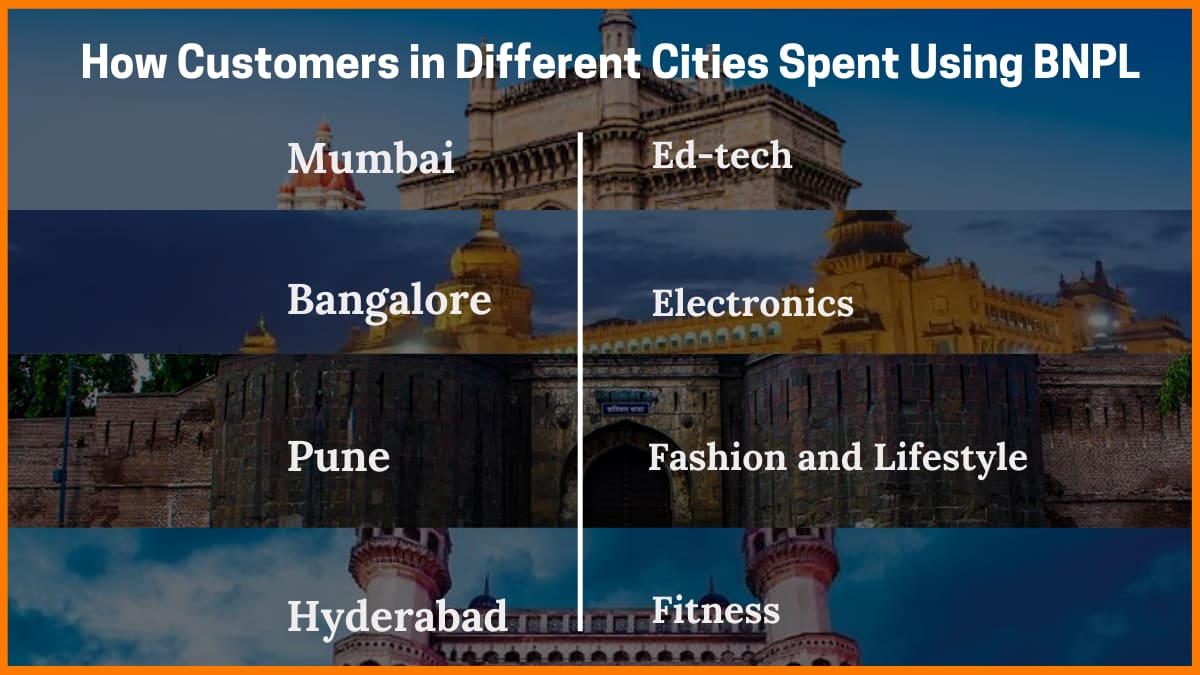
 Aditya Sankaran